
How to Choose an FPV Antenna: Polarization, Gain & Connectors
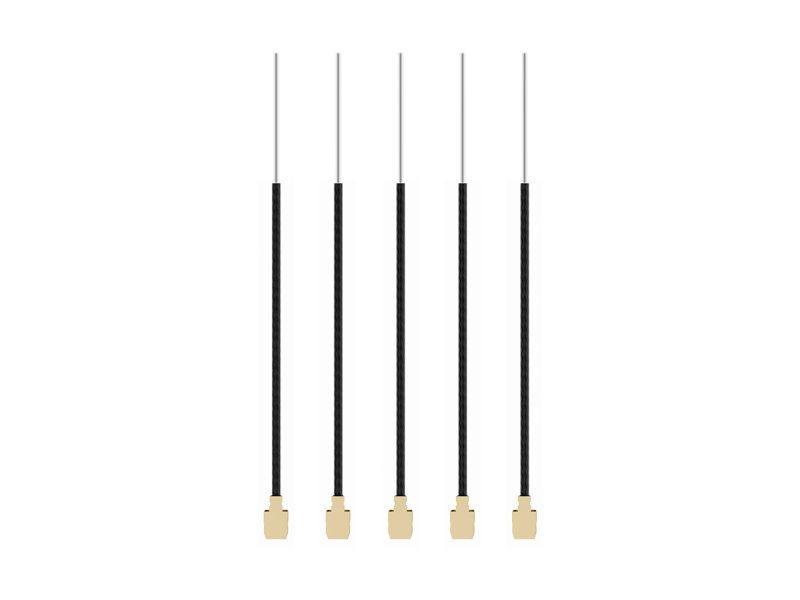
An FPV antenna is the component that turns your video transmitter (VTX) signal into radio waves and turns the radio waves from your receiver back into control data. Choosing the right one decides whether you get a clean, long-range video feed or a breakup-prone, short-range one. For most pilots the safe default is a 5.8GHz circularly polarized omni antenna in RHCP, matched on both the VTX and the goggles, with an SMA or MMCX connector that fits your hardware. Below we break polarization, frequency band, gain, directionality and connectors down so you can pick the right antenna for freestyle, racing or long-range flying.
What Does an FPV Antenna Actually Do?
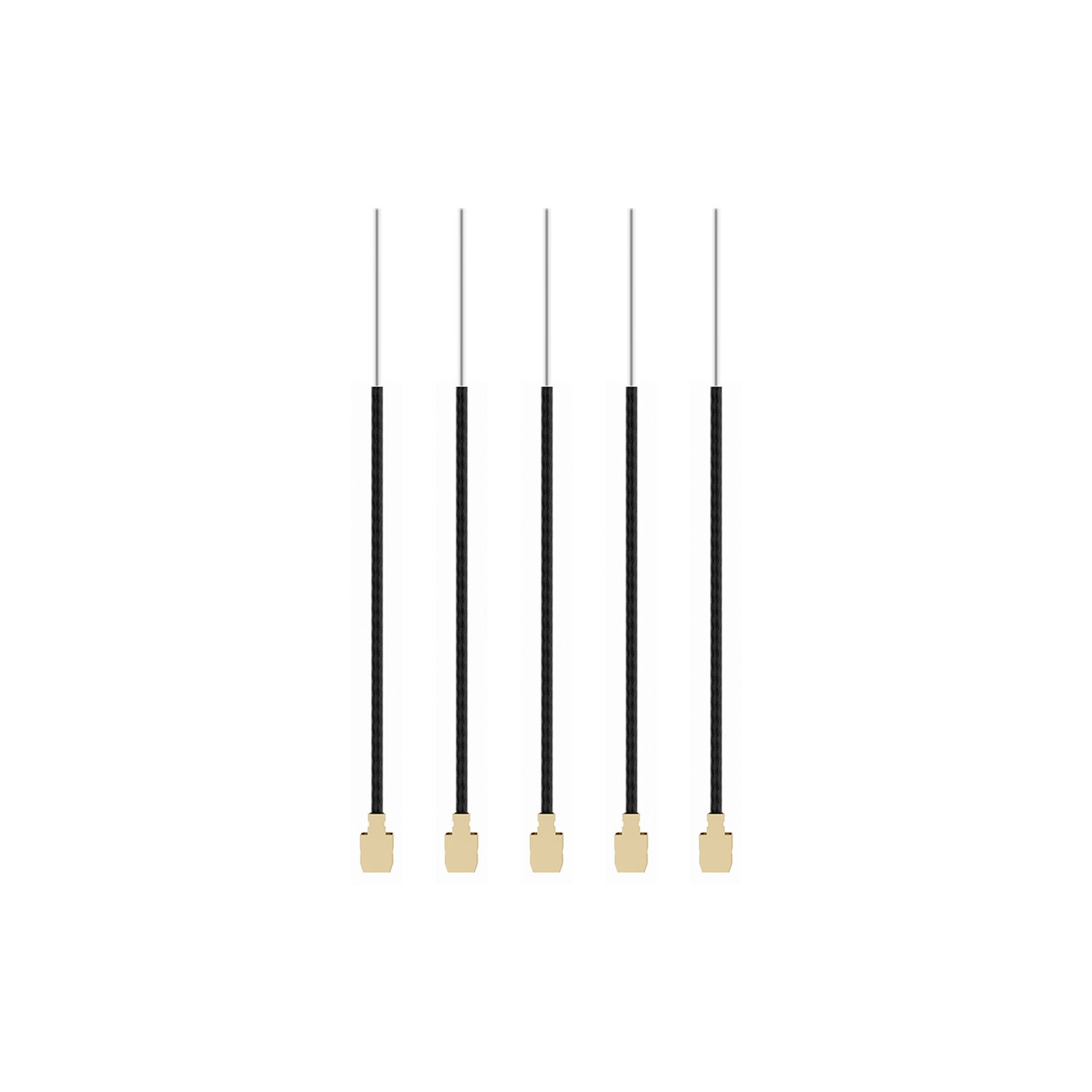
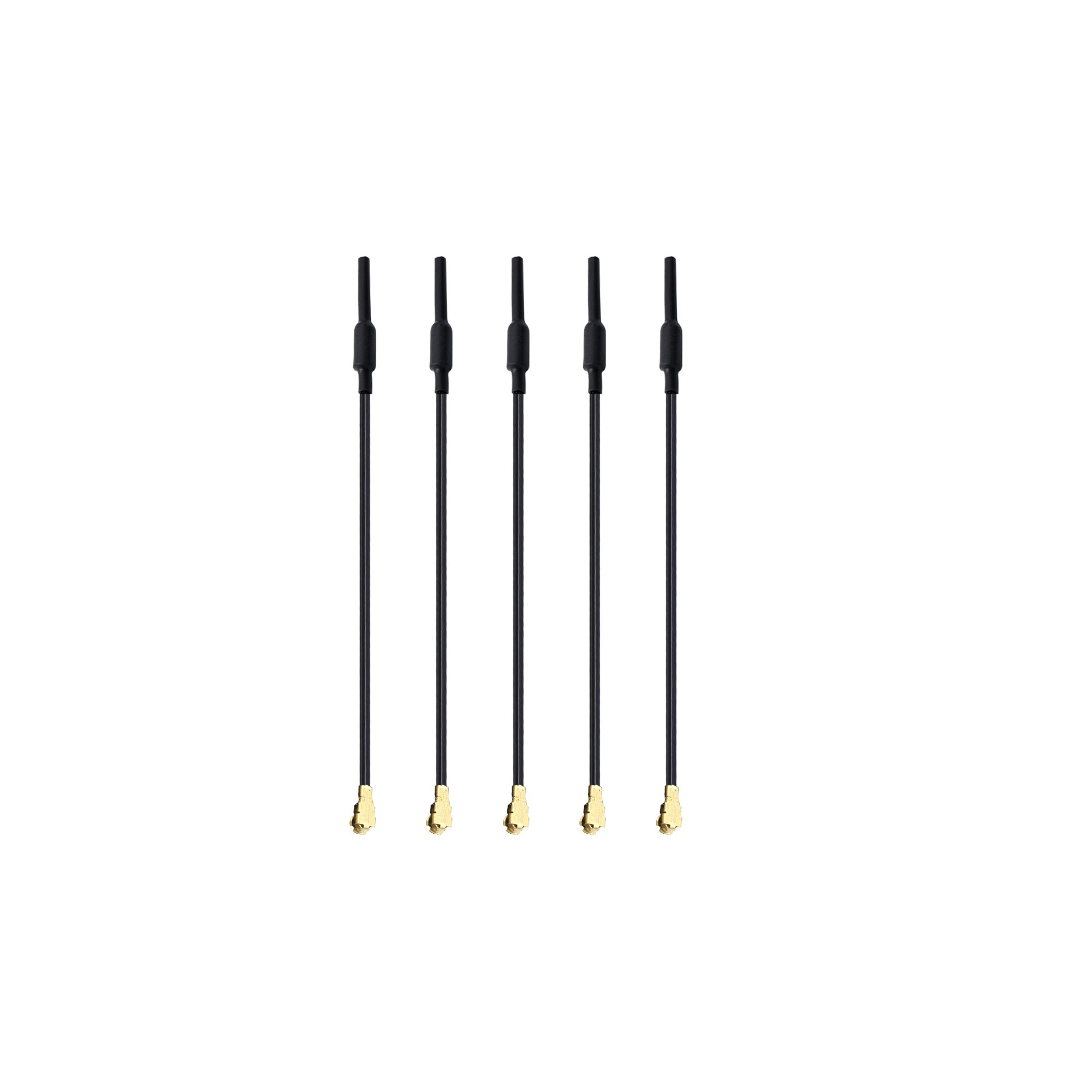
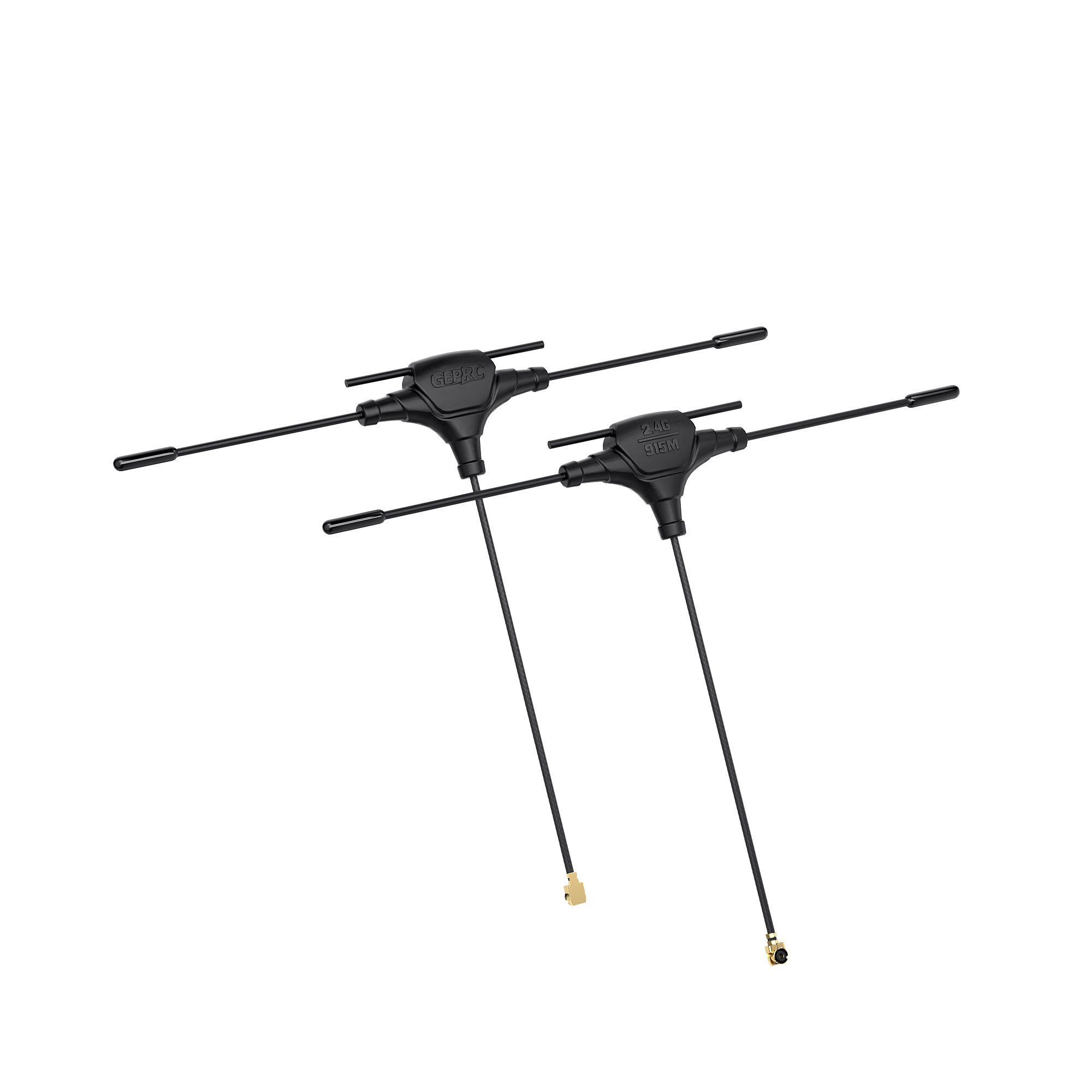
Your drone carries a VTX that modulates the camera image onto a radio carrier; the antenna radiates that carrier. On the ground, your goggles carry a receiver and its own antenna that captures the wave. The link budget — how far and how reliably you fly — is the sum of VTX power, antenna gain on both ends, polarization match and obstructions. A great antenna cannot fix a weak VTX, but a mismatched or damaged antenna will wreck an otherwise strong system. Treat antennas as a matched pair: the VTX antenna and the goggle antenna should share the same polarization and band.
Circular vs Linear Polarization: RHCP vs LHCP
FPV video almost always uses circular polarization because it tolerates the attitude changes and multi-path reflections of a tumbling quad far better than linear polarization. Circular comes in two handednesses: RHCP (right-hand circular polarized) and LHCP (left-hand). They are not compatible with each other — mixing RHCP on the VTX and LHCP on the goggles costs you most of your range. Pick one handedness and use it on both ends. Linear antennas (often cheap dipole whips) are still sold for analog whoops and tiny builds where weight and size matter more than range; keep linear on both ends if you go that route. For digital systems such as Walksnail and DJI, use the manufacturer-matched circular antennas and avoid mixing brands on the same link.
2.4G, 5.8G and the Long-Range Bands
The band sets how the wave behaves around obstacles and how much spectrum is available. 5.8GHz is the default for analog and most digital video: short wavelength, small antennas, plenty of channels, but it is absorbed quickly by trees, walls and the ground, so range is modest. 2.4GHz penetrates better and reaches farther but has fewer clean video channels and more interference from Wi-Fi. For genuine long range, pilots move to 900MHz/868MHz, 1.2G/1.3G or 3.3G: these lower bands travel much farther and punch through foliage, at the cost of larger antennas and stricter local licensing. Many long-range builds run a 900M control link paired with a 1.2G or 5.8G video link. Always confirm the band is legal in your region before flying.
Gain and Directionality: Omni vs Patch
Gain, measured in dBi, tells you how the antenna concentrates energy. A low-gain omni (around 2–3dBi) radiates in all directions — perfect for freestyle and racing where the drone is above, below and behind you. A high-gain directional patch or panel focuses energy in one direction and dramatically extends range toward that spot, but it has a narrow beam: turn away and the signal drops. A common long-range setup uses an omni on the drone and a patch on the goggles pointed at the aircraft. Flat-panel and patch antennas such as the GEPRC SOMA directional series are purpose-built for this, while stubby omnis are the daily-driver choice.
Connectors: SMA, RP-SMA, MMCX and IPEX/U.FL
The connector must physically and electrically match your VTX or goggles. SMA and RP-SMA look nearly identical but are not inter-compatible (RP-SMA reverses the pin/socket) — forcing them damages the center pin. MMCX is a tiny push-on connector common on compact whoop VTXs and receivers; it is fragile but easy to route. IPEX (also called U.FL) is even smaller and usually soldered directly to the board, often via a pigtail to a larger connector. Always order the connector your hardware specifies, and keep a short extension cable (MMCX-to-SMA, for example) in your kit so you can reposition the antenna away from carbon and metal.
FPV Antenna Selection at a Glance
| Use case | Band | Polarization | Gain / type | Connector |
|---|---|---|---|---|
| Freestyle / racing | 5.8GHz | RHCP circular | 2–3dBi omni | SMA or MMCX |
| Digital HD (Walksnail/DJI) | 5.8GHz | Matched circular | 2–3dBi omni | Brand-specific / IPEX |
| Long range video | 1.2G / 3.3G | Circular | Directional patch | SMA / RP-SMA |
| Long range control | 900M / 868M | Linear or circular | 2–5dBi omni / Moxon | SMA / IPEX |
| Micro whoop | 5.8GHz | RHCP circular | Stubby omni | IPEX / MMCX |
Frequently Asked Questions
Should I use RHCP or LHCP antennas?
Use RHCP on both the VTX and the goggles unless a specific system tells you otherwise. RHCP and LHCP are not cross-compatible, so mixing them will cost most of your range. Buy in matched pairs and keep spares of the same handedness.
Can I mix SMA and RP-SMA connectors?
No. SMA and RP-SMA look alike but reverse the center pin, and forcing them can bend or break the pin on your VTX or goggles. Check the marking on your hardware and order the exact connector type, or use a verified adapter.
Why does my 5.8GHz video break up behind trees?
5.8GHz is absorbed quickly by foliage, walls and the ground, which is why it is great for short-range clarity but poor for penetration. For flights that go behind cover or far out, move the video link to 1.2G/1.3G or 3.3G, or pair a 900M control link with a directional patch on the goggles.
Is higher dBi always better?
No. Higher gain means more range in one direction but a narrower beam and weaker reception off-axis. Freestyle and racing want low-gain omnis so the signal is solid no matter where the drone is; reserve high-gain patches for fixed long-range ground stations aimed at the aircraft.
Do I need different antennas for Walksnail or DJI digital?
Yes. Digital HD systems use manufacturer-matched circular antennas tuned to their band and polarization. Mixing analog antennas or cross-brand antennas on the same digital link degrades image quality and range, so use the antennas designed for your specific goggles and air unit.
Summary
Start with a matched 5.8GHz RHCP omni pair in the correct connector, then specialize: add a directional patch for long range, a lower band for penetration, and IPEX/MMCX pigtails for micro builds. Browse our FPV Antenna category for verified options, including the GEPRC IPEX 2.4G antenna, the GEPRC 5.8G copper tube antenna, the GEPRC 915M/2.4G dual-band T antenna and the GEPRC SOMA 1.2G/1.3G dual antenna. Need help matching an antenna to your VTX? Contact our team for a build-specific recommendation.