Single Sensor Tracking Series
Single-sensor gimbals with auto-tracking lock onto a target and keep it centered automatically. This is the lightest way to get tracking: one sensor, minimal mass, yet a function that once needed a dedicated operator.
How tracking works
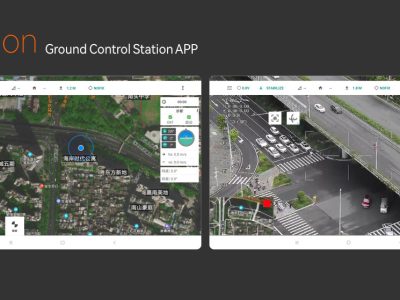
The operator marks an object in frame, after which the gimbal follows its movement and holds it centered. The algorithm keeps working through brief occlusions and resumes when the object reappears. That sharply reduces workload: the pilot flies while the automation holds the shot.
Where it is used
- Patrol: keep a vehicle or person in frame.
- Inspection: steady view of one structural element.
- Motion capture: smooth follow without stick yanking.
- Observation: long hold on a point of interest.
What to compare
Check the sensor type for your task, tracking robustness under occlusion and zoom change, and the control and weight. For night work, confirm sensor sensitivity and illumination needs.
CSKYUAV supplies auto-tracking gimbals with OEM/ODM support. Dual-sensor options are in https://cskyuav.com/product-category/dual-sensor-tracking-series/, aircraft in https://cskyuav.com/product-category/fpv-drones/.
Frequently asked questions
Does tracking need a ground link?
No: the compute runs on the gimbal. The operator sees the result when the video link is available.
What happens if the target is lost?
The algorithm usually keeps searching nearby and resumes if the object returns to frame. Behavior varies by model.
Can it follow a moving object?
Yes — that is the main use: a vehicle, a vessel, a person.
Does tracking work at night?
Depends on the sensor and light. For night, use a sensitive sensor, thermal core or IR illumination.
How heavy is such a gimbal?
Usually lighter than dual-sensor: one sensor and compact stabilization. Exact weight varies by model.
Can the target be switched in flight?
Yes, typically: the operator releases the lock and marks a new object.
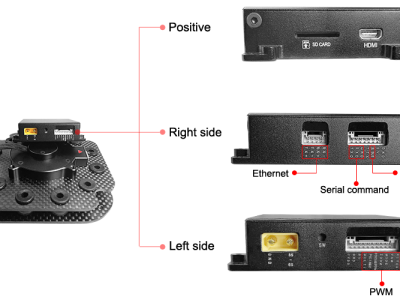
Q30T PRO II