Micro Gimbal cameras
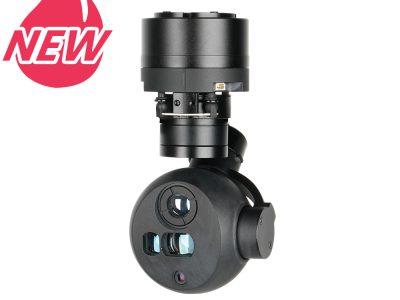
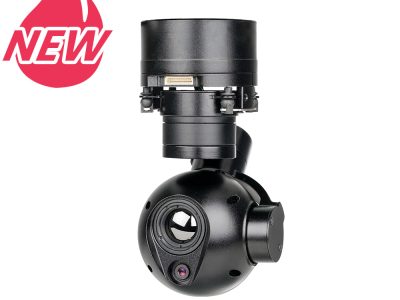
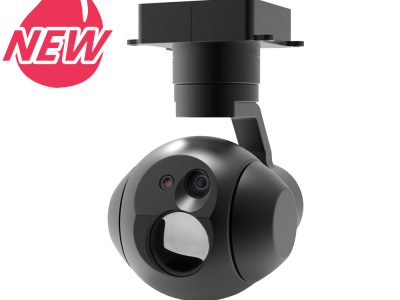
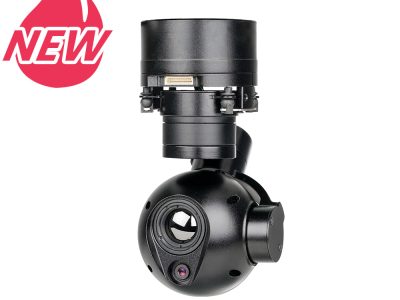
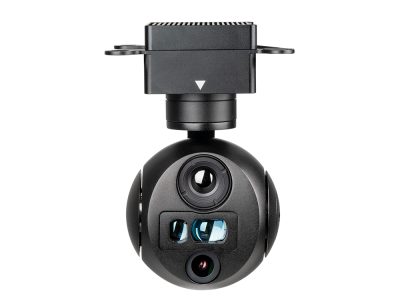
Micro gimbal cameras bring stabilised footage to small airframes that cannot carry a full-size payload. They are used on sub-250 g aircraft, indoor inspection platforms and lightweight builds where every gram of payload costs flight time.
What "micro" means in practice
Typically a small three-axis stabilised camera unit weighing tens of grams rather than hundreds, with a compact sensor and limited optical zoom. The trade-off is straightforward: you gain stabilised, usable footage on aircraft that previously carried only a fixed camera, and you accept less low-light performance, limited zoom and fewer interface options than on a full-size payload.
Where they are used
- Sub-250 g builds: stabilised video while staying under a weight class threshold.
- Indoor and confined-space inspection: small enough to fly where larger aircraft cannot.
- Training and survey work: cheap, light payload for routine flights.
- Second camera: a stabilised view alongside a primary sensor.
Choosing one
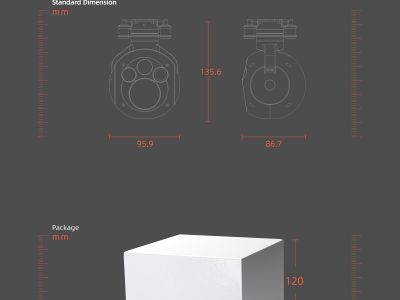
Start with weight and power: confirm the payload mass against your aircraft's rated capacity and check that the voltage matches your supply. Then compare stabilisation quality (three-axis versus electronic), sensor resolution and low-light behaviour, video output and control interface, and whether the payload offers recording onboard. Mechanical mounting matters too — see our frames and mounting hardware.
CSKYUAV supplies micro gimbal cameras with OEM/ODM options, and can advise on integration with your airframe and video link. Tell us your weight budget and mission, and we will match a payload to it.
Frequently Asked Questions
How much weight can a micro payload save?
Often several hundred grams compared with a full-size gimbal, which translates directly into longer flight time or a smaller, more portable aircraft.
Is image quality comparable to a larger gimbal?
No. Smaller sensors and lenses gather less light, so low-light performance and zoom range are usually the first things sacrificed. Daylight results can be very good.
Do micro gimbals offer optical zoom?
Rarely. Most use a fixed wide lens with digital zoom only; if optical zoom matters, a larger payload is the realistic choice.
What power supply do they need?
Small payloads usually run from a regulated supply rather than directly from a flight pack. Check the required voltage and current before wiring — ask us if the listing is unclear.
Can they be used for inspection work?
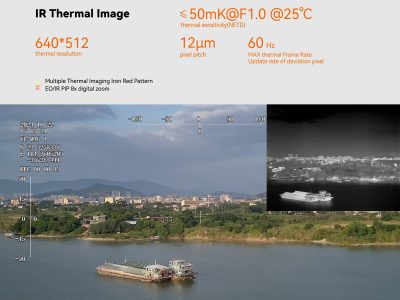
Yes for close-range visual inspection where a small aircraft is an advantage. For long-range detail or thermal work, a larger sensor payload is more suitable.
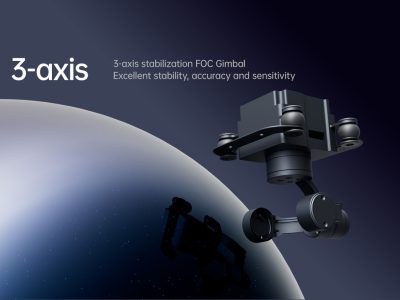
Are they stabilised in three axes?
Better units are mechanically stabilised on three axes; cheaper modules use electronic stabilisation, which crops the image. Check which type the model uses.