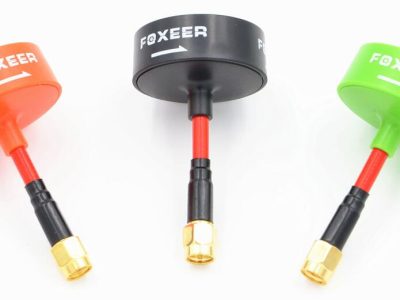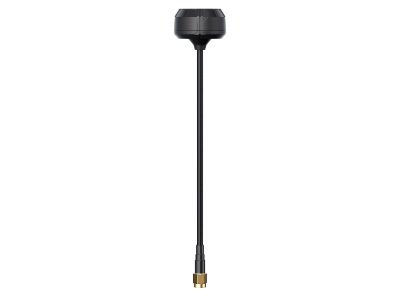
FPV Antenna
Antennas are the highest-leverage upgrade in any FPV video system. Transmit power scales range logarithmically, but a better antenna and correct polarisation can double usable range for a few grams of weight.
Polarisation: RHCP and LHCP
FPV video almost always uses circular polarisation to reject reflected signals. Right-hand circular polarised (RHCP) is the common convention; a few pilots use left-hand (LHCP) to reduce interference from other aircraft on the same channel. Your transmitting and receiving antennas must use the same polarisation — mixing them costs roughly 3 dB, which is like halving your power.
Omnidirectional versus patch
Omnidirectional antennas radiate in a broad doughnut pattern and are the default on the aircraft and for general flying. Directional antennas such as patch and helical designs concentrate gain in one direction and are used on goggles or ground stations for long-range flights. A common setup is one omni plus one patch on a diversity receiver: the omni keeps coverage close in, the patch extends range ahead of you.
Gain, connectors and durability
Higher gain (measured in dBi) focuses energy into a narrower pattern rather than adding power. A 3 dBi omni is a good general choice; high-gain omnis and patch antennas have nulls overhead, which matters when flying directly above yourself. Check connectors — SMA and RP-SMA on goggles and ground gear, U.FL or MMCX on small VTXs — and replace bent or cracked antennas, because a damaged antenna can reflect power back into the VTX and destroy it.
CSKYUAV supplies FPV antennas from Walksnail, Foxeer, RushFPV, HGLRC, iFlight and EMAX. Match the polarisation and connector to your VTX and goggles, and check placement against your frame before finalising the build.
Frequently Asked Questions
Do I need RHCP or LHCP antennas?
Use one polarisation consistently across the whole system; RHCP is the common default. Mixing RHCP and LHCP on the same link costs around 3 dB of signal.
What does antenna gain mean?
Gain describes how much the antenna concentrates energy in a preferred direction. Higher gain does not add power; it narrows the coverage pattern, which helps range in one direction and hurts coverage elsewhere.
Should I use a patch antenna?
A patch or helical antenna on the ground side is very effective for long-range flying. It works best paired with an omnidirectional antenna on a diversity receiver so you keep coverage when turning.
Why does my video cut out above my head?
High-gain omnidirectional and patch antennas have reduced coverage directly above or below the radiation pattern. Use a lower-gain omni or tilt your patch when flying overhead.
Can a damaged antenna break my VTX?
Yes. A broken or disconnected antenna causes reflected power that can overheat and destroy a video transmitter quickly. Never power a VTX without an antenna attached.
What connectors do FPV antennas use?
SMA and RP-SMA are threaded connectors used on goggles, ground stations and larger VTXs. U.FL and MMCX are small snap connectors found on micro VTXs and receivers.
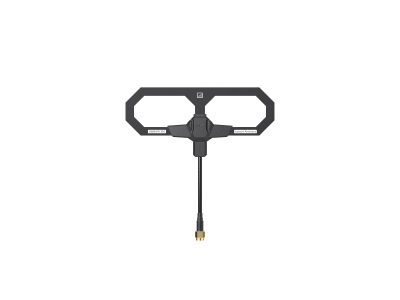
GEPRC 868M/915M Moxon Antenna
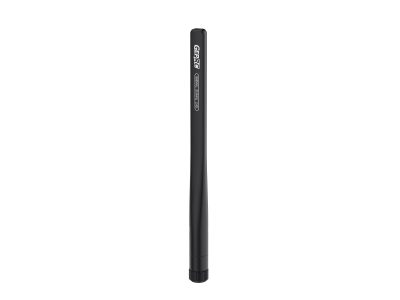
GEPRC 868MHz/915MHz 2.4G Tri-Band Stick Antenna
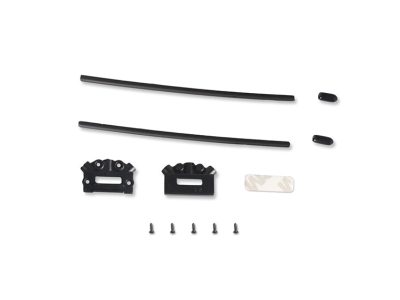
★Nighthawk 280 Pro Parts – Receiver antenna mount
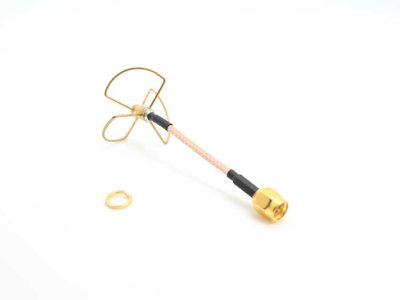
★Nighthawk 280 Pro Parts – Antenna
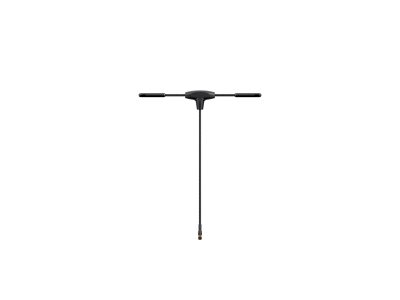
GEPRC IPEX T Antenna(5pcs)
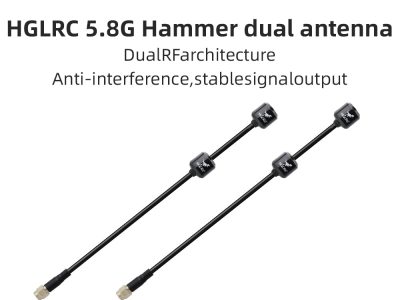
HGLRC 5.8G Hammer Dual Antenna
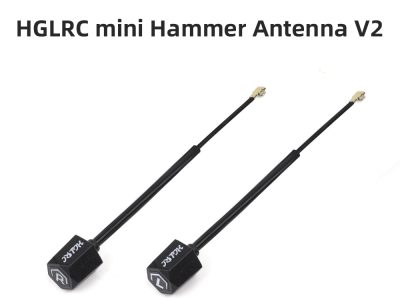
HGLRC mini Hammer Antenna V2
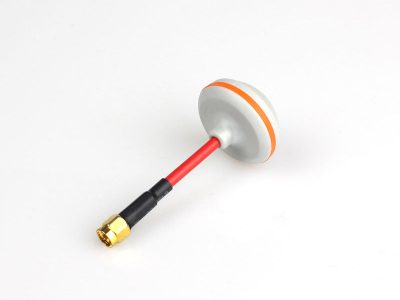
★5.8G FPV Antenna For Nighthawk-SMA
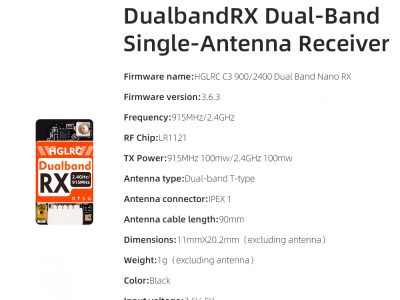
HGLRC Gemini ELRS 915MHz & 2.4GHz Dual-Band Single/Dual Antenna Receiver
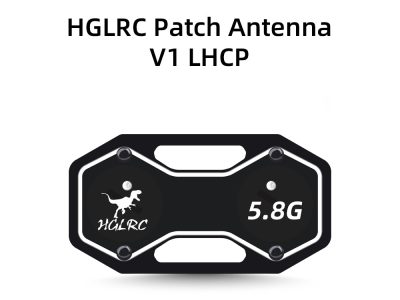
HGLRC Patch Antenna V1 LHCP 5.8G Directional Antenna