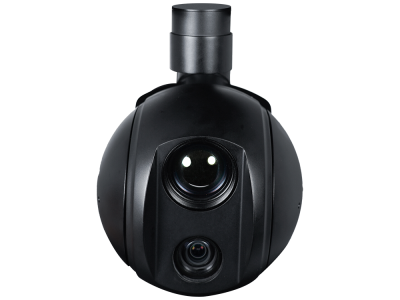
1280 IR Thermal Series
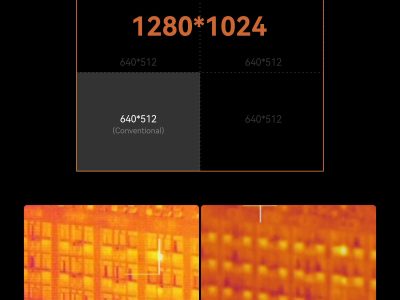
The 1280-series thermal payloads sit above the common 640-resolution class, offering more pixels across the same field of view. That extra detail matters when the operator has to decide not just that something is there, but what it is.
Detection, recognition and identification
Thermal performance is usually described in three ranges: detection (something is present), recognition (the class of object is clear, for example a person or a vehicle) and identification (fine detail is visible). Resolution mainly extends the second and third of these. A 1280 sensor does not magically see heat further away, but it resolves it into a clearer shape at the same distance, which is exactly what search and inspection teams need.
When 1280 is worth the cost
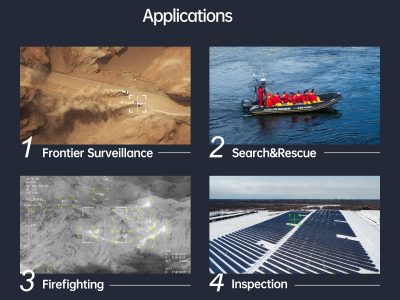
- Search and rescue: distinguishing a person from an animal or rock at longer stand-off distances.
- Perimeter security: confirming what triggered an alert before dispatching anyone.
- Industrial inspection: resolving small components in hotspots, substations or solar arrays.
- Fire support: reading structure and hotspots through smoke with more confidence.
What else to check
Resolution is only one variable. Compare thermal sensitivity, lens options and field of view, frame rate, and whether the payload supports temperature measurement or is imaging only. Check stabilisation, payload weight against your aircraft's rating, and the video and control interfaces available. For a direct comparison, see our article on 1280 versus 640 thermal cameras.
CSKYUAV supplies 1280 IR thermal payloads with OEM/ODM options, alongside airframes and GPS hardware for complete inspection and search systems.
Frequently Asked Questions
Is 1280 always better than 640?
For identification distance, yes. But 1280 payloads cost more and weigh more; if you only need detection at close range, a good 640 sensor is often the better value.
Does thermal see through smoke?
Thermal infrared penetrates smoke far better than visible light, which is why thermal payloads are standard for fire support. Dense smoke still degrades any image.
Can thermal cameras measure temperature?
Some can report temperature values, others are imaging only. Radiometric capability and accuracy vary by model — confirm before buying if measurement is part of your workflow.
What limits thermal range?
Resolution, lens, atmospheric conditions and the temperature difference between target and background. A warm object against a warm background is harder to see than the same object against cold ground.
Do I need a bigger aircraft?
Higher-resolution sensors usually come in larger, heavier payloads. Check payload capacity and flight-time impact before upgrading.
Is thermal useful in daylight?
Yes for heat-related tasks such as insulation checks, water ingress and solar panel faults, though the visible camera carries more useful detail in good light.
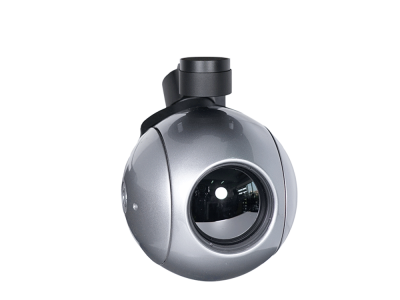
QIR50T
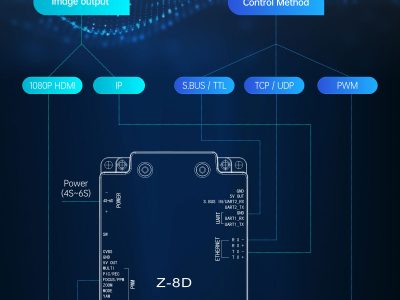
Z30TIRM-1352
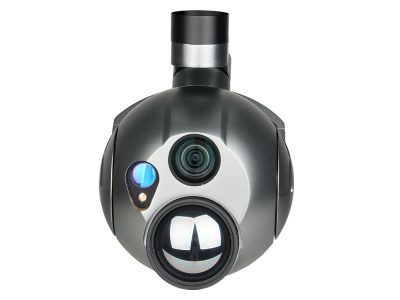
A20KTR-50HD
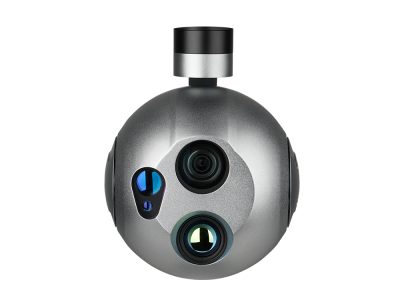
A20KTR-24HD
QIR50T PRO
Q30TIR Pro
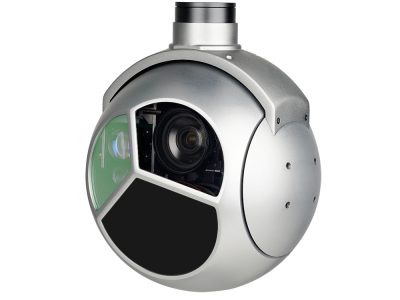
U30TIRM-HD
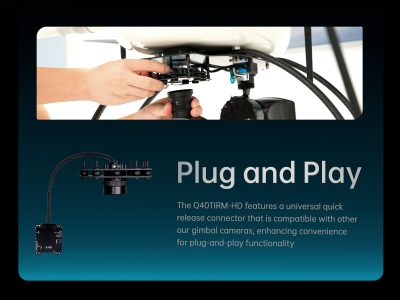
Q40TIRM-HD