Optical Fiber
Optical fibre in FPV is used where radio simply cannot be relied on: a physical fibre tether carries the video and control signal instead of a radio link, which makes the system immune to jamming and interference and keeps emissions at zero.
Why fly with a fibre tether
Radio links share spectrum, suffer from interference and can be jammed or detected. A fibre tether sidesteps all of that. The aircraft unwinds a hair-thin fibre as it flies, and the ground unit talks to it over light rather than radio. The trade-offs are physical: range is limited by the spool length, the fibre can snag, and the aircraft must manage the extra drag of paying out line.
Where it is used
- Contested or jammed environments: where a radio link would be degraded or detected.
- Urban and industrial inspection: around steel structures, substations or tunnels where multipath interference is severe.
- Short-range reconnaissance: reliable high-bandwidth video over a known distance.
- Training and testing: a interference-free baseline when evaluating other hardware.
Practical considerations
Tether length defines your operating radius, so choose spool sizes that match the mission. Paying out fibre adds drag and requires a smooth exit path; snagging on edges is the most common failure mode, so plan flight paths accordingly. Fibre is consumable — expect to replace spools — and handling requires care, because a damaged strand cannot be repaired in the field.
CSKYUAV supplies optical fibre sets and spools with OEM/ODM options. Pair them with a suitable airframe from our drone range and keep a spare video link for untethered flights.
Frequently Asked Questions
How far can a fibre-tethered drone fly?
As far as the spool allows. Tether sets are sold by length, so your operating radius is a physical specification rather than a radio range estimate.
Is fibre really jam-proof?
The signal itself cannot be jammed because it travels as light inside the fibre rather than as radio. The aircraft still needs its own flight control, and physical hazards remain.
What happens if the fibre snaps?
The link is lost. Most setups therefore include a lost-link behaviour such as return-to-home or hover; configure it before flying and keep the aircraft within visual or permitted range.
Can the fibre be reused?
Generally no. Fibre paid out during flight is treated as consumable; plan spool consumption as an operating cost.
Does weather affect it?
Wind and obstacles matter more than rain, because the tether must pay out cleanly. Strong gusts and tight spaces increase the chance of snagging.
Is any radio still used?
Video and control run over fibre. Depending on configuration, some aircraft still carry a radio link for backup telemetry or a separate control path — check the setup before flight.
10KM FPV Drone Optical Fiber
5KM FPV Drone Optical Fiber
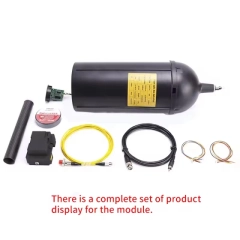
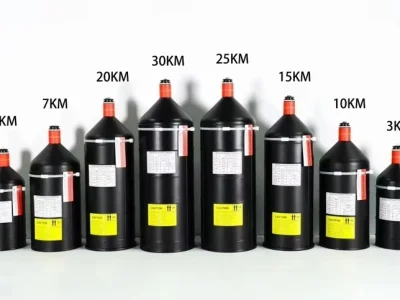
3/5/10/15/20/25/30km FPV Fiber Optical Ultra-long Distance

3KM,5KM,10KM,15KM,20KM,25KM,30KM FPV Optical Fiber Canister Module