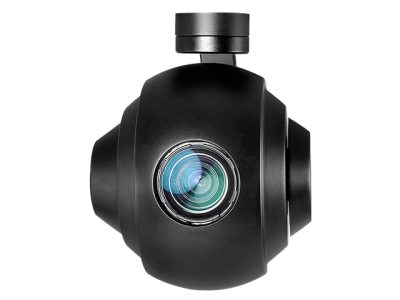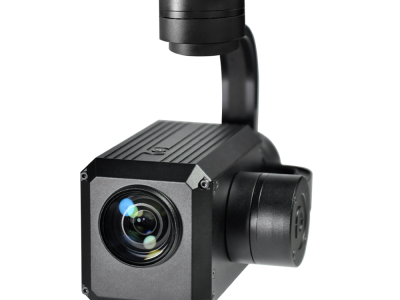
Single Sensor Series
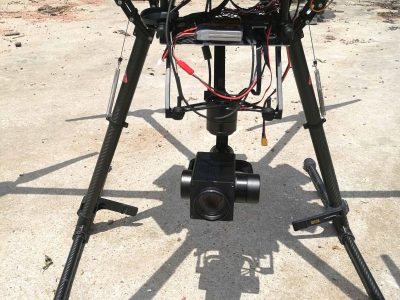
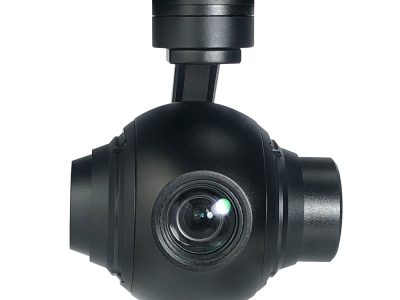
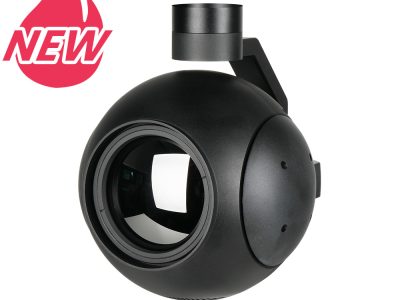
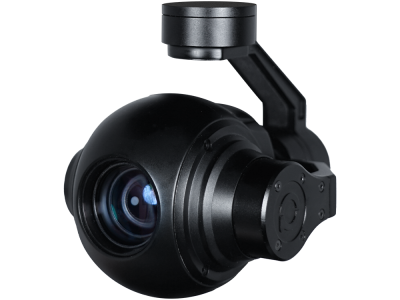
A single-sensor gimbal carries exactly one imaging device — a visible-light camera or a thermal core — on a stabilized platform. It is lighter, simpler and cheaper than a dual-sensor payload, which is why it stays the right choice whenever the task comes down to a single channel of information.
When one sensor is enough
If you film in daylight, document an asset or run a standard inspection, the thermal channel only adds weight and cost. If you operate at night or hunt for heat anomalies, the reverse is true: a single thermal core is enough and a visible camera adds nothing. A single-sensor gimbal wins on mass, power draw and price, leaving more of the aircraft's payload budget for flight time.
What to compare
- Sensor type: visible camera or thermal core, matched to your task and lighting.
- Resolution: detail at your working distance.
- Stabilization: number of axes and smoothness under vibration.
- Interfaces: video output and gimbal control compatible with your ground station.
- Weight: within the aircraft's rated payload.
CSKYUAV supplies single-sensor gimbals with OEM/ODM support. Aircraft are in https://cskyuav.com/product-category/fpv-drones/, and dual-sensor options in https://cskyuav.com/product-category/dual-sensor-tracking-series/.
Frequently asked questions
Camera or thermal — which to choose?
It depends on the task and the time of day. For daytime and documentation, a camera; for night, smoke or heat searches, a thermal core.
Can I add a second sensor later?
No — that is a different gimbal. If you need both channels at once, choose a dual-sensor model from the start.
How much lighter is a single-sensor unit?
Noticeably: the second optic and its stabilization add mass. The saving converts directly into flight time.
Is this gimbal suitable for inspection?
Yes; this is the typical class for visual inspection, especially where low weight matters.
Resolution or stabilization — which matters more?
For aerial video, stabilization affects the result more: shaky high-resolution footage is still unusable.
Which video output should I pick?
Match your ground station and video system; HDMI and IP streams are common.