FPV GPS
A GPS module gives the aircraft position, ground speed and heading data. It enables return-to-home, position hold, waypoint missions and the speed and altitude readouts in your OSD — and with GPS rescue configured, it is the single most useful safety feature on a long-range build.
What GPS provides
The module reports position, altitude, ground speed, satellite count and usually a compass heading. The flight controller uses this for return-to-home and GPS rescue, for position hold in INAV and ArduPilot, and for logging flight paths. For rescues to be reliable the module needs a good satellite fix before you fly and a compass that is calibrated away from magnetic interference.
Protocols and wiring
Most FPV GPS modules speak UBLOX or NMEA over a serial UART, with a magnetometer (compass) on the same board or on a separate I2C device. In Betaflight or INAV you enable the GPS on the assigned UART and set the protocol. Keep the module away from the VTX, ESC power wiring and the camera, and mount it with a clear view of the sky — a module buried under a battery or carbon plate will take much longer to acquire a fix.
Choosing a module
Size and weight matter on small builds, so compact modules with a ceramic patch antenna are common on whoops and 3 inch aircraft, while larger modules with better grounds planes suit 7 inch and long-range builds. Look for a backup coin-cell battery for faster warm starts, check that the connector pin order matches your flight controller, and consider whether you need a compass at all — pure acro flying does not.
CSKYUAV supplies GPS modules from HGLRC, GEPRC, Holybro, Foxeer and Pixhawk-class hardware. Pair one with a flight controller running navigation firmware, and add a receiver with telemetry if you want position data on your radio.
Frequently Asked Questions
Do I need GPS for freestyle flying?
No, it is optional. It becomes valuable for long-range flights, return-to-home safety and any navigation-assisted firmware such as INAV or ArduPilot.
How long does a GPS fix take?
A cold start can take a minute or more, while a warm start with a backup battery usually takes a few seconds. Mounting with a clear sky view and away from the VTX speeds up acquisition significantly.
What is GPS rescue?
A failsafe behaviour where the aircraft uses GPS and compass data to fly back toward the home point if the control link is lost. It must be configured and tested carefully before relying on it.
Do I need a compass?
Only if you use navigation features that need heading, such as return-to-home or waypoint missions. Pure acro flight does not require a magnetometer.
Why does my GPS show no satellites?
Usually the wrong UART assignment, the wrong protocol selection, or poor placement under carbon and power wiring. Check the wiring pin order and move the module to a clear location.
Which protocol should I select?
UBLOX is the usual choice for modern modules, with NMEA as a fallback. Set the same protocol in your flight controller configuration as the module outputs.
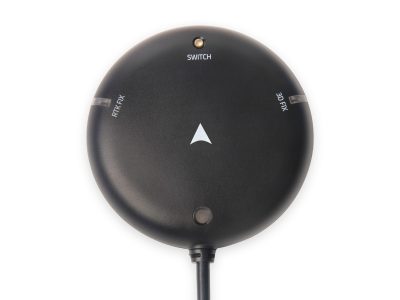
H-RTK F9P Rover (IST8310 Compass)
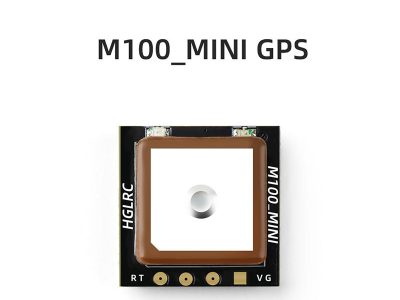
HGLRC M100_MINI GPS
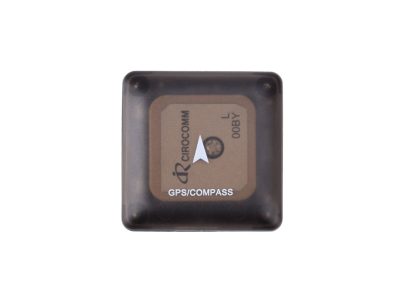
Micro M8N GPS
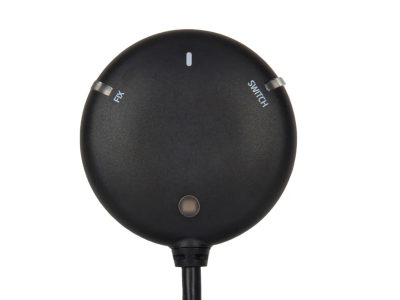
M9N GPS
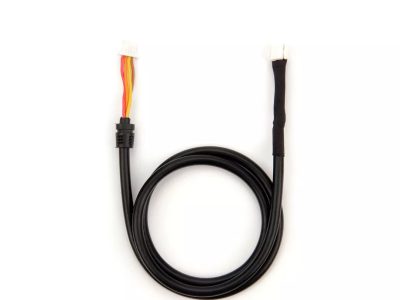
DroneCAN GPS Extended Length Cable (45cm)
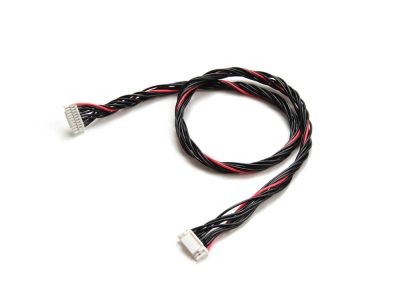
JST GH 10Pin Cable
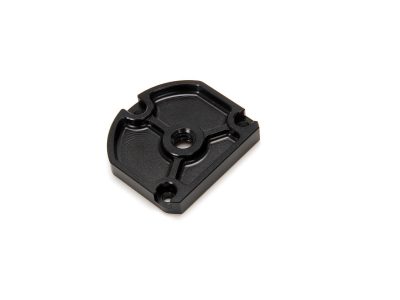
1/4″-20 UNC Adapter for H-RTK
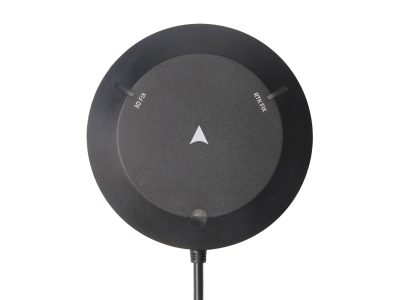
DroneCAN H-RTK F9P Rover
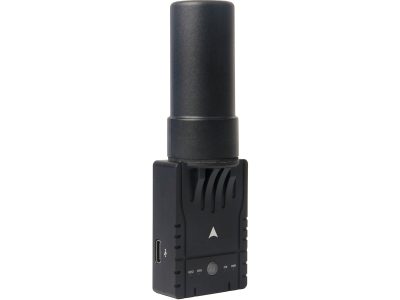
DroneCAN H-RTK F9P Helical
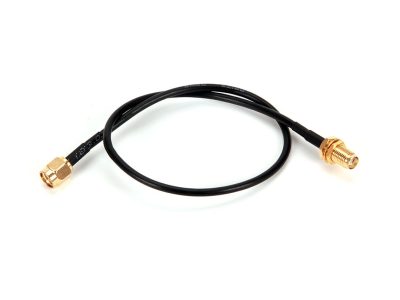
Antenna Extension Cable For H-RTK Helical