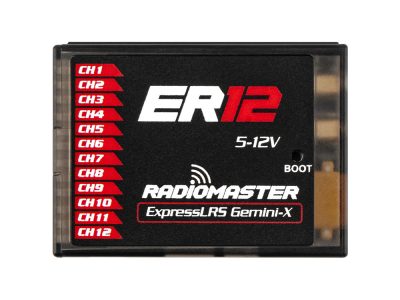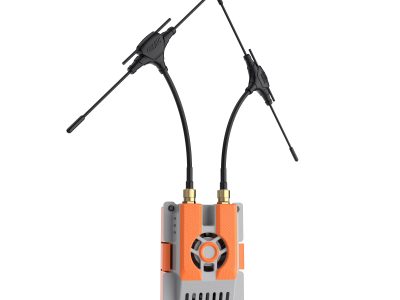
FPV Receiver
An FPV receiver is the small board on the aircraft that receives your control link and passes stick commands to the flight controller. It must speak the same protocol as your radio — ExpressLRS, Crossfire, or a legacy system — and it needs a clean antenna install to perform.
Choosing a protocol
ExpressLRS (ELRS) is the current default: low cost, low latency, high packet rates, and available in 2.4 GHz and 915/868 MHz versions. It is the easiest recommendation for new builds. TBS Crossfire remains popular for long range and industrial use, with mature telemetry. Older FrSky and FlySky receivers are still supported by many aircraft but rarely chosen for new designs.
Match the band to the flying: 2.4 GHz ELRS for general use and high packet rates, 915 MHz (868 MHz in Europe) for long range and better penetration at lower update rates. Both sides — transmitter and receiver — must run compatible firmware versions to bind.
Antennas and placement
Receiver antennas do more for link quality than transmitter power. Most ELRS receivers ship with a small T-shaped dipole or a ceramic antenna on a short coax. Mount antennas so they stand clear of carbon fibre, battery leads and the video transmitter, ideally with two antennas at roughly 90 degrees to each other for diversity receivers. Carbon fibre plates block RF, so an antenna taped flat against the bottom plate performs badly.
Wiring and firmware
Receivers normally connect to a UART on the flight controller and output a serial protocol such as CRSF or SBUS. In Betaflight you enable the corresponding serial receiver setting on that UART. Check whether the receiver needs to be flashed or bound with a specific firmware version and binding phrase before first flight, and confirm the pin order of your harness — reversed plug orientation is the most common install fault.
CSKYUAV supplies FPV receivers from EMAX, RadioMaster, HGLRC, Happymodel, iFlight and GEPRC, with bulk and OEM options. Match the receiver to your controller, mount it on a frame with clear antenna routing, and pair it with a flight controller that has the UARTs you need.
Frequently Asked Questions
Will any receiver work with my radio?
No. The receiver and transmitter must use the same protocol, and for ELRS the same major firmware generation and binding phrase. An ELRS radio cannot bind to a Crossfire receiver.
What is the difference between 2.4 GHz and 915 MHz ELRS receivers?
Both use the same protocol. 2.4 GHz supports higher packet rates and is the general-purpose choice; 915 MHz (868 MHz in the EU) trades update rate for longer range and better obstacle penetration, and uses larger antennas.
Why does my receiver lose signal close to the ground?
Usually antenna placement. Carbon fibre, batteries and the VTX all block or detune the antenna. Move antennas clear of the frame, keep them vertical where possible, and use diversity receivers with two antennas at right angles.
Do I need telemetry?
Telemetry sends battery voltage, link quality and GPS data back to your radio, and is genuinely useful for long range and professional work. It requires a protocol that supports it, such as ELRS or Crossfire.
How do I bind an ELRS receiver?
Most commonly you set a binding phrase in the configurator and flash it to both transmitter and receiver, or you press the receiver's bind button and use the bind function on the transmitter. Follow the firmware version's documented procedure.
Can I use a receiver without a UART?
Some older setups use PWM or PPM wiring, but modern serial receivers need a UART configured on the flight controller. Plan UART allocation before you buy if you also run GPS and VTX control.
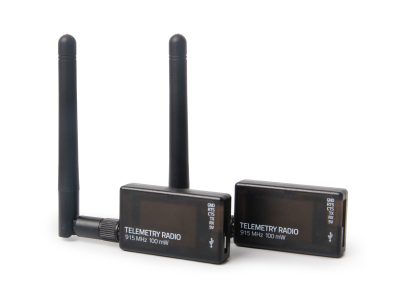
SiK Telemetry Radio V3
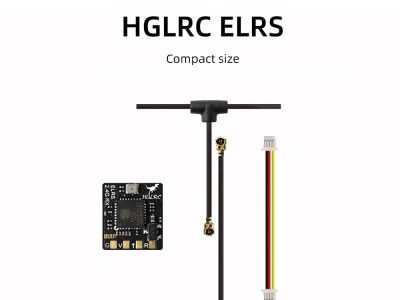
HGLRC ELRS 2.4G Receiver
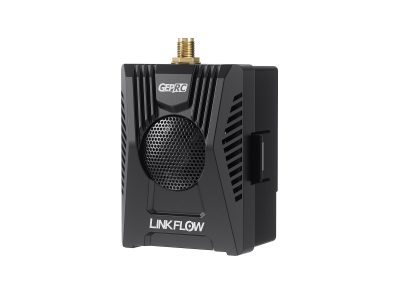
GEPRC LINKFLOW 915M 2W ELRS TX Module
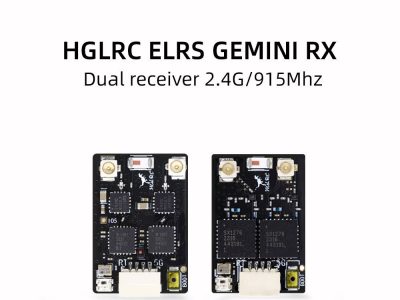
HGLRC ELRS GEMINI RX dual receiver 2.4G/915Mhz
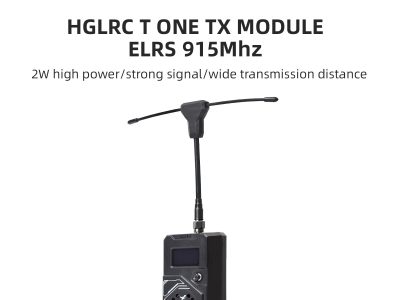
HGLRC ELRS T ONE TX Module
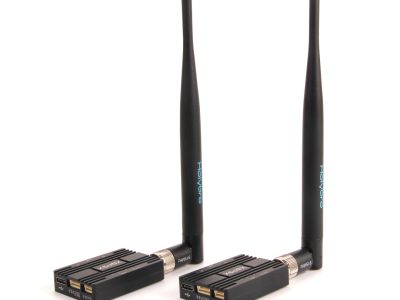
XBP9X Telemetry Radio
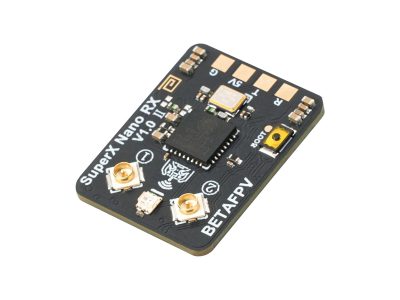
SuperX ELRS Gemini Xross Receiver
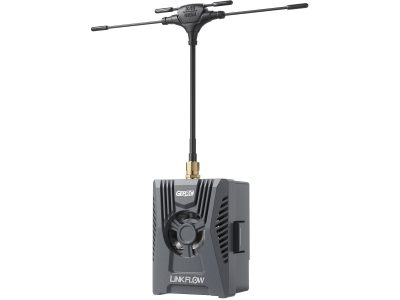
GEPRC LINKFLOW 915M/2.4G DUAL-BAND TX Module
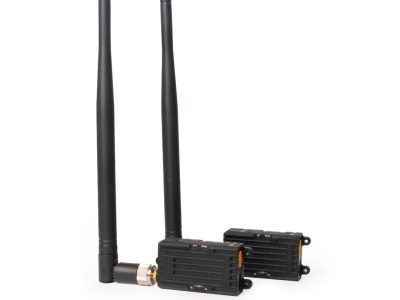
SiK Telemetry Radio – Long Range
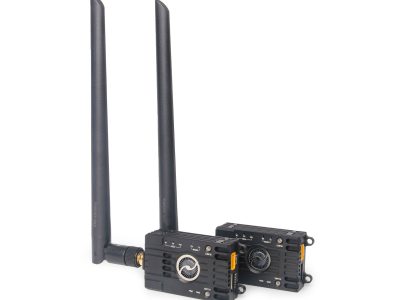
Microhard Telemetry Radio V2