
Best Brushless FPV Quadcopter for Beginners: Cetus X vs 250
The short answer: for most first-time brushless buyers, the Cetus X Brushless Quadcopter is the better starting point because it is a small, lightweight, ready-to-fly package that is forgiving in tight spaces and cheap to crash. The Quadcopter 250 Brushless Combo 1 and Combo 2 are the better choice if you already have some stick time, want a larger airframe you can repair and upgrade part by part, and plan to fly outdoors in wind. Buy the Cetus X to learn; buy the 250 combo to grow. The rest of this guide explains exactly where the two diverge.
What makes a quadcopter “brushless” and why does it matter for a beginner?
A brushless FPV quadcopter uses brushless motors instead of the tiny brushed motors found on toy-grade whoops. Brushless motors have no carbon brushes to wear out, deliver far more thrust per gram, and survive crashes that would kill a brushed motor. The trade-off is that brushless systems need real ESCs and a proper flight controller, which is why they cost more up front. In practice, a brushless FPV quadcopter is the point where the hobby stops being disposable and starts being repairable.
For a first-time buyer, that means two things: the electronics are worth keeping, and the airframe should be something you can rebuild. Both the Cetus X and the 250 combos satisfy that. They just do it at very different sizes.
Cetus X vs Quadcopter 250: how do the two combos actually differ?
The Cetus X is a compact brushless quadcopter aimed at indoor and backyard learning. It is light enough that a bad crash usually costs you a propeller, not a frame. The Quadcopter 250 is a 250-class airframe — bigger props, more mass, more momentum, and a platform designed around standard 30x30mm electronics that you can swap as you improve.
| Spec | Cetus X Brushless Quadcopter | Quadcopter 250 Brushless Combo 1 / Combo 2 |
|---|---|---|
| Class | Sub-250g style micro brushless | 250-class brushless |
| Best environment | Indoor, garage, small yard | Open field, park, outdoor wind |
| Crash cost | Low — props and guards | Moderate — arms, props, camera |
| Upgrade path | Limited, mostly props and batteries | Full — 30×30 stacks, VTX, antennas |
| Skill ceiling | Reached in a few weeks | Years of tuning and building |
Which one is easier to learn on?
The Cetus X, without question. A lighter quadcopter reacts less violently to a mistake, and because it flies slower in confined space you get more “thinking time” per correction. If you have never flown acro mode, the smaller machine lets you build muscle memory without destroying hardware. The 250 rewards good inputs but punishes sloppy ones — a 250-class quad carries enough momentum that a late throttle blip puts it into a wall before you can react.
Which one survives a crash better?
Counter-intuitively, the 250 often survives a hard outdoor crash better because its frame is thicker and its components are mounted with more material around them. But the Cetus X has fewer crashes that matter — it hits things at lower speed, so the energy involved is far smaller. If you are flying indoors over hardwood, the Cetus X is the cheaper machine to own.
What about the two 250 combos — Combo 1 vs Combo 2?
Treat Combo 1 and Combo 2 as two configurations of the same 250-class platform rather than two different drones. Combo 2 is the step-up bundle; pick it if you want fewer separate purchases later. Either way, the airframe is the same class, so the advice below applies to both.
What should a first brushless buyer budget for beyond the kit?
The kit is not the whole cost. Plan for these line items no matter which quad you pick:
- Batteries: buy at least three. One battery means ten minutes of flying and an hour of waiting.
- Propellers: a spare set is mandatory, not optional. The 250 eats props faster than the Cetus X.
- A charger that can balance-charge at a sane rate — never charge unattended.
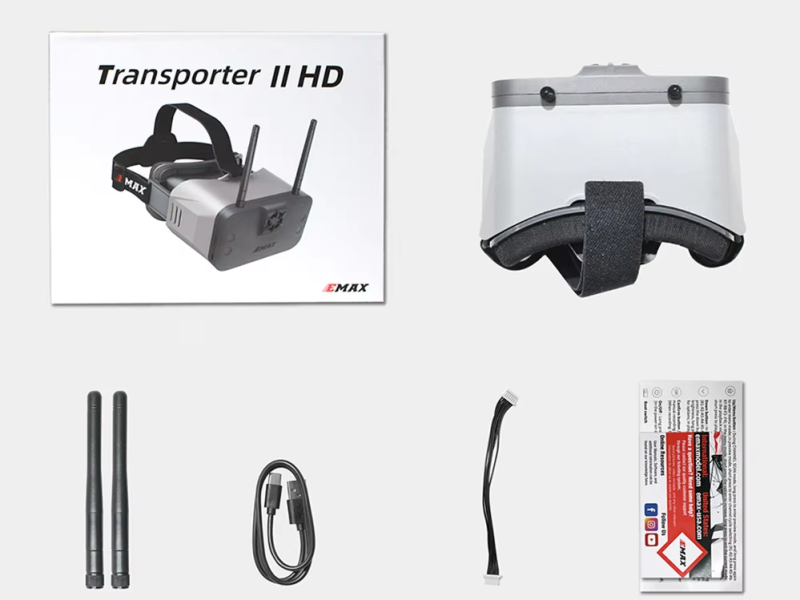
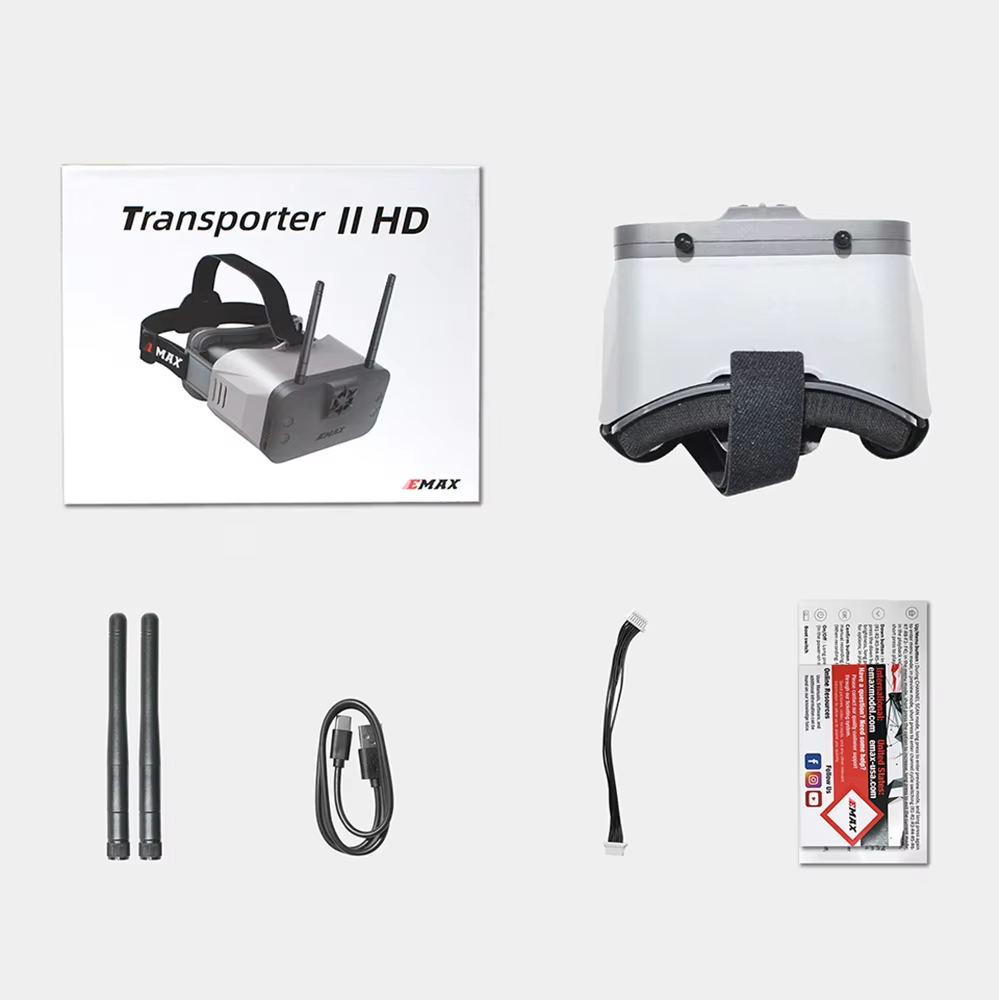
- Goggles or a monitor. A basic option like this 5.8GHz FPV goggle monitor gets you flying line-of-sight-plus-video without a big spend.
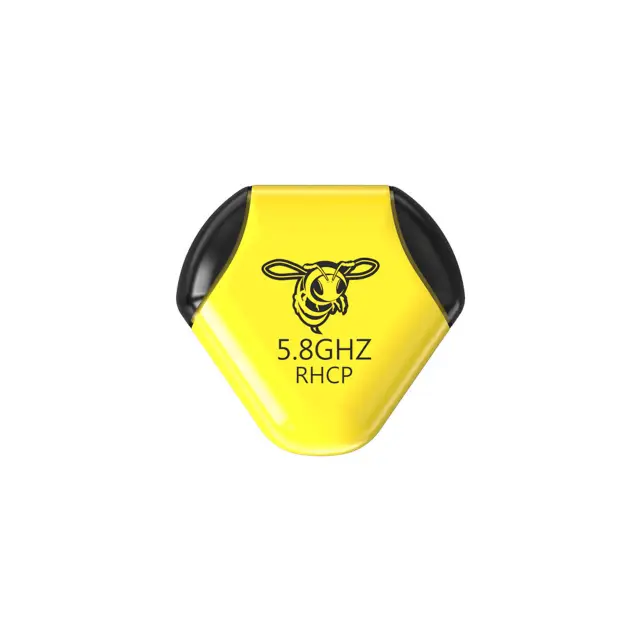
- Antennas. A bent whip antenna is the single most common cause of “my video cut out.” A replacement 2.8dBi RHCP 5.8GHz antenna is cheap insurance.
Where does the 250 combo pull ahead?
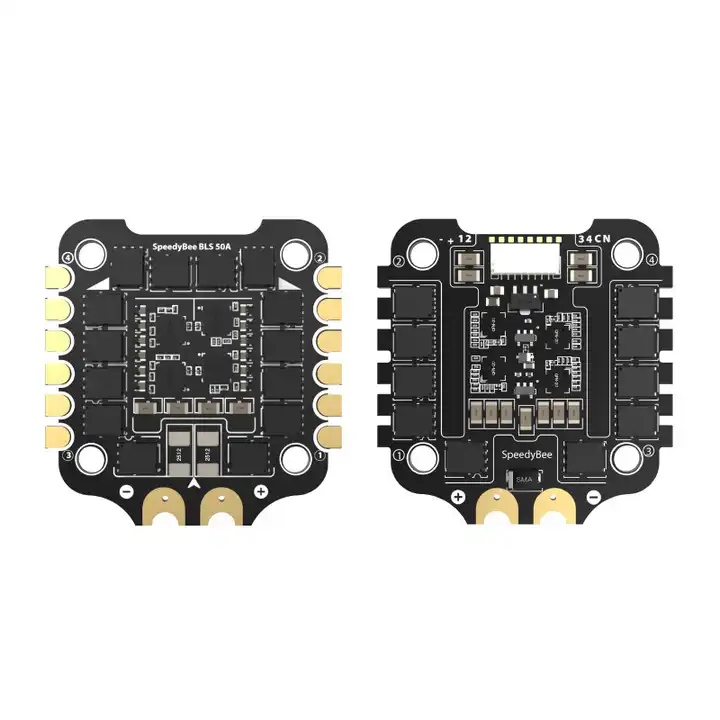
Once you can fly without crashing every pack, the 250’s advantage is that every part on it is a standard part. When you outgrow the stock electronics, you are not throwing the quad away — you are upgrading it. A 30×30 stack such as the SpeedyBee F7 V3 BL32 50A stack or the SpeedyBee F405 55A 4-in-1 stack drops straight into a 250-class frame. That is the whole point of the class: it is a platform, not a toy.
The same logic applies to video. A 250 has room for a proper VTX, and if you later want to fly farther or with more power, units like the RUSH MAX SOLO 5.8G 2.5W VTX or the GEPRC MATEN 1.2G 2W VTX are realistic upgrades. They are not realistic on a micro. If long-range flying eventually interests you, our FPV optical fiber system guide for long-range drones explains how video link choices scale up.
Which one should you actually buy?
Buy the Cetus X if…
- You have never flown acro and want to learn indoors or in a small yard.
- You want the lowest possible cost per crash while you build reflexes.
- You are not sure yet whether FPV is for you and want a low-risk entry.
Buy the Quadcopter 250 Combo if…
- You have simulator hours or prior toy-drone experience.
- You have access to an open field and want to fly outdoors in wind.
- You want a machine you will still be flying in two years because you can rebuild it.
A common and sensible path: start on the Cetus X for four to six weeks, then move to a 250 combo once you can complete a full pack without a crash. You keep the micro as a rainy-day indoor trainer.
Frequently Asked Questions
Is a brushless FPV quadcopter harder to fly than a brushed one?
Yes, in the sense that brushless quads have more power and respond faster, so mistakes happen sooner. But they are also more stable and more precise once tuned, and they do not lose power as the battery drains the way brushed motors do. Most pilots find a brushless quad easier to control after the first few packs.
Can I fly the Cetus X outdoors?
Yes, in calm conditions and in a small area. It is not a wind machine — a light micro gets pushed around by anything above a gentle breeze. If your only flying space is a windy park, the 250 combo is the more practical choice.
What is the difference between Quadcopter 250 Combo 1 and Combo 2?
They are two bundle configurations of the same 250-class brushless platform. Combo 2 is the fuller package, so it reduces the number of separate accessories you need to buy. The airframe class and the upgrade path are the same for both.
Do I need a license or registration to fly one of these?
Rules vary by country and by weight class, and they change. Check your local aviation authority before your first flight — a sub-250g micro and a 250-class quad often fall under different rules.
How many batteries should I buy for a first brushless quadcopter?
Three minimum, five if you can afford it. Flight time per pack is short, and charging takes far longer than flying. Rotating five packs keeps you in the air instead of watching a charger.
Can I upgrade the Cetus X later?
Only modestly — props, batteries, and antennas. Its electronics are integrated and sized for a micro frame, so there is no room for a standard 30×30 stack or a larger VTX. If upgrading is part of your plan, the 250 platform is the one to buy.
Ready to pick your first brushless FPV quadcopter? Browse the Cetus X and both Quadcopter 250 combos in our FPV Drones category, add spare props and at least three batteries to the cart, and get in the air this weekend.