FPV Battery
The battery sets how long you fly and how hard the aircraft can pull. FPV packs are described by cell count (S), capacity (mAh) and discharge rating (C), and picking the wrong pack is the fastest way to sag voltage, brown out electronics or cook a motor.
Reading a LiPo pack
A 6S 1300 mAh pack has six cells in series (about 22.2 V nominal) and 1.3 Ah of capacity. Cell count sets the voltage your motors and ESCs see and therefore the KV you should run; capacity sets flight time and weight. The C rating, combined with capacity, gives a theoretical continuous current figure — treat it as a rough indicator rather than a precise specification, because ratings are not standardised between manufacturers.
- 1S–2S: tiny whoops and indoor aircraft.
- 3S–4S: lightweight builds and older 5 inch setups.
- 6S: current standard for 5 inch freestyle, lower current for the same power.
- Li-ion packs: 18650/21700 based, heavier for the capacity but excellent for endurance and long-range cruising.
Connectors, size and weight
XT30 suits whoops and 2–3 inch builds; XT60 is the standard for 5 inch and above. Check the physical dimensions against your frame's battery compartment and strap length, because capacity grows with size and a pack that does not fit will shift in flight. As a rule, flight time stops improving once the pack is so heavy that the aircraft spends all its power carrying the battery.
Care, safety and storage
Never discharge a LiPo below about 3.5 V per cell under load, and never leave packs fully charged for days. Store at roughly 3.8 V per cell, charge on a fire-resistant surface with a balance charger, and retire any pack that is puffed, has damaged leads or shows a large cell-to-cell voltage difference. Check internal resistance occasionally; rising IR is the clearest sign a pack is near end of life.
CSKYUAV supplies FPV batteries from EMAX, GEPRC, HGLRC, Caddx and other brands, with bulk and OEM sourcing. Pair your pack with a suitable charger, and check that your ESC and motors are rated for the cell count you plan to run.
Frequently Asked Questions
What does 6S 1300 mAh mean?
Six cells in series (about 22.2 V nominal) and 1300 mAh of capacity. The cell count sets voltage, the capacity sets how long you can fly for a given current draw.
Should I fly 4S or 6S?
6S is the modern default for 5 inch aircraft because it delivers the same power at lower current, which reduces voltage sag and heating. Choose the pack first, then match motor KV to it.
How long should a pack last?
A well-treated LiPo typically delivers a few hundred cycles before internal resistance rises noticeably. Avoiding deep discharge, heat and long-term full-charge storage extends life significantly.
What storage voltage should I use?
Around 3.8 V per cell. Most chargers have a storage mode that charges or discharges each cell to this level automatically.
Why does my battery get hot or puff?
Over-discharging, drawing more current than the pack is rated for, charging at too high a rate, or physical damage all cause heat and gas formation. A puffed pack should be retired and disposed of safely.
Is Li-ion better than LiPo?
Li-ion packs offer more energy per gram for steady cruising, which suits long-range and endurance flying. LiPo delivers much higher discharge current, which is why it remains standard for freestyle and racing.
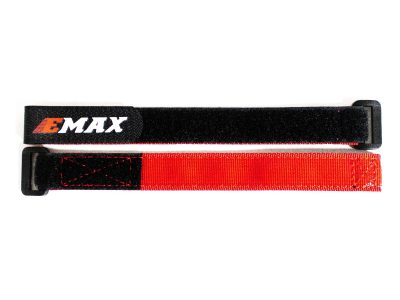
★2 PCS EMAX LiPo Battery Strap with Rubber 260mm for RC FPV Racing Drone Fixed
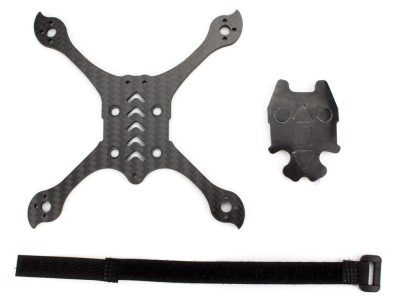
★Babyhawk Race Pro 2.5 Parts-Bottom plate Pack ,nonslip pad,and battery strap
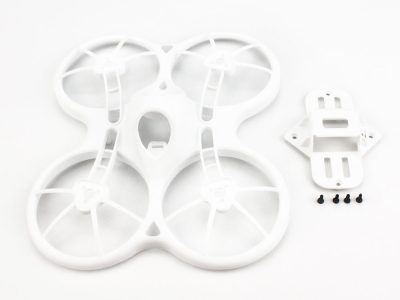
EMAX Tinyhawk indoor drone part – Frame include battery holder
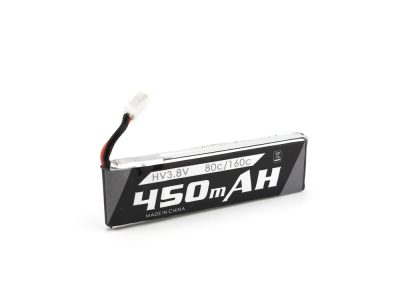
EMAX 450mah 1S 3.8V 80C-160C HV Lipo Battery
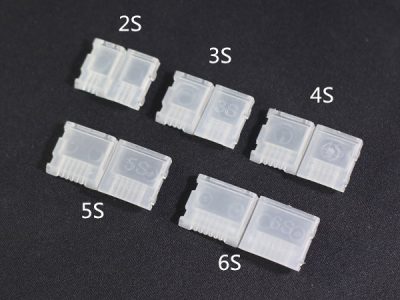
★5 PCS 2S-6S AB Clip Buckle Lipo Battery Balancing Charge Plug Protector
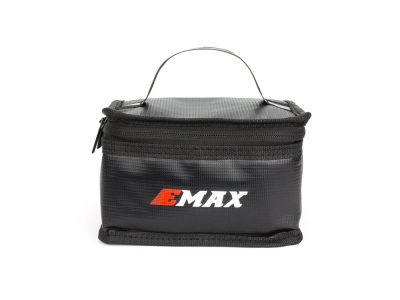
EMAX Lipo Safe RC Lipo Battery Safety Bag 155*115*90mm With Luminous For RC Plane Tinyhawk Drone handbag
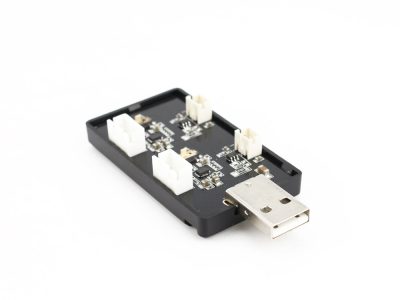
EMAX charger 4-port 1-2S Lipo Battery Charger USB Port for RC Drone FPV Racing for Tinyhawk series HV 4.35V
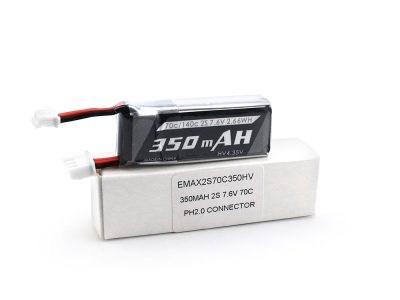
EMAX 350mAh 2S 7.6V 70C HV Lipo Battery
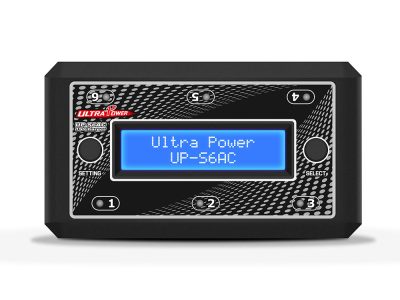
Ultra Power UP-S6AC 6×4.35W 1S AC-DC LiPO-LiHV Battery Charger With Micro MX MCPX JST
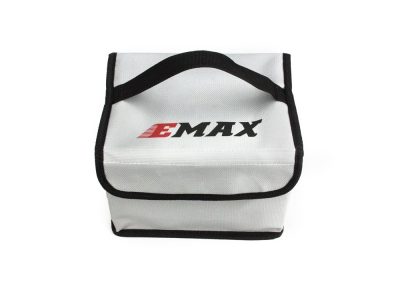
EMAX Lipo Safe RC Lipo Battery Safety Bag 200*150*150mm With Luminous For RC Plane Tinyhawk Drone handbag