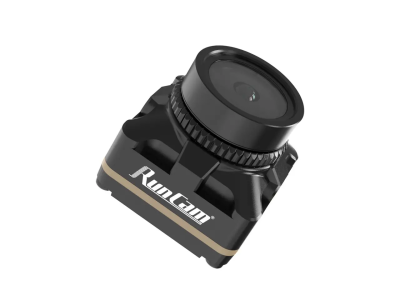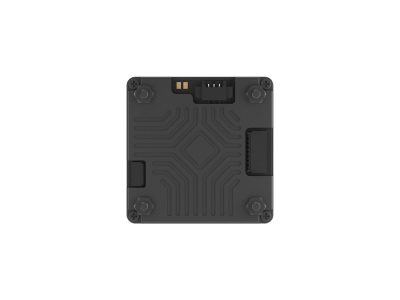
FPV Camera
The FPV camera is the first link in your video chain: it converts light into the signal your goggles display. Image quality, latency and low-light behaviour are all set here, and the camera you can use is determined by whether you run an analog or a digital video system.
Analog or digital: different ecosystems
Analog cameras output composite video to a 5.8 GHz VTX. They are light, cheap, low latency and universally compatible, with quality described by TVL (television lines) figures such as 1000TVL or 1200TVL. Digital cameras connect to a digital VTX or an all-in-one digital unit from systems such as Walksnail or DJI, producing a 720p/1080p image with better dynamic range. Digital cameras are not interchangeable with analog ones, so pick your system first.
Sensor size, resolution and aspect ratio
Sensor size matters more than resolution for real-world image quality. A larger sensor (1/2.3 inch versus 1/3 inch) collects more light, giving cleaner low-light video and better dynamic range. Aspect ratio is a handling choice: 4:3 fills a 4:3 goggle display and looks taller, while 16:9 matches widescreen recording and many goggle panels better. Check which ratio your goggles or ground station display natively.
Latency, WDR and low light
For racing and fast freestyle, latency is the priority — analog cameras with minimal processing are still the lowest-latency option. Wide dynamic range (WDR) helps when flying from dark shade into bright sky, and low-light performance matters for dusk flights and indoor work. Some cameras let you switch between a low-latency mode and a higher-quality WDR mode.
Fitting and power
Check the mounting width: micro cameras are 19 mm or 20 mm wide for whoops and lightweight builds, while full-size cameras suit 5 inch and larger aircraft. Check the supply voltage too — many cameras accept 5 V, some want 9 V or direct battery voltage, and feeding the wrong rail is a common first-build mistake. Lens options (2.1 mm, 2.5 mm, 1.8 mm) set field of view; wider lenses help orientation at the cost of a fisheye look.
CSKYUAV supplies FPV cameras from Caddx, Walksnail, RunCam, Foxeer and EMAX, with OEM supply for volume programmes. Pair the camera with a compatible VTX, a clean antenna from our antenna range, and goggles listed under FPV goggles.
Frequently Asked Questions
Can I use a digital camera with an analog VTX?
No. Digital cameras output a digital stream to a matching digital VTX or all-in-one unit. Analog systems require a camera with composite video output.
What does 1000TVL mean?
TVL (television lines) is a horizontal resolution measure used for analog cameras. Higher numbers mean more detail, but sensor size, lens quality and lighting affect the real image more than the TVL figure alone.
Which aspect ratio should I choose, 4:3 or 16:9?
Match your goggles or display. Many pilots prefer 4:3 because it fills traditional goggle screens and gives a taller view; 16:9 suits widescreen recording and some newer digital displays.
Why is my video dark when I fly into the sun?
That is dynamic range limitation. A camera with good WDR handling, or a slightly different exposure setting, will keep both shadow and highlight detail usable.
What voltage does an FPV camera need?
It varies by model: many run on 5 V from the flight controller or a regulator, others accept wider input. Always check the product page before wiring, because over-voltage will destroy the camera instantly.
Do I need a larger sensor?
If you fly at dusk, indoors or in mixed light, yes — a larger sensor noticeably improves low-light image quality. In bright daylight the difference is much less visible.
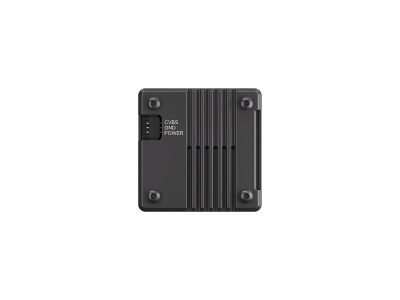
CaddxFPV Gazer Analog Camera
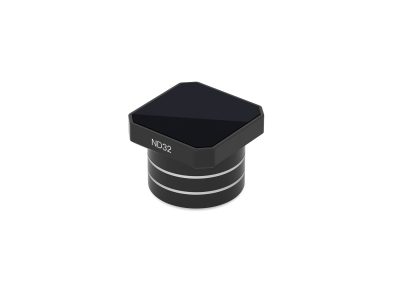
Walksnail Camera ND Filter
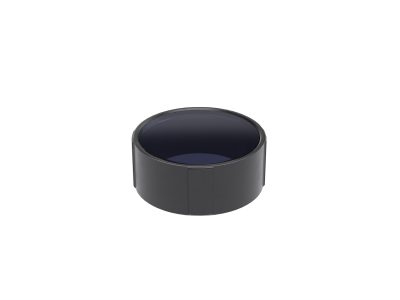
Gazer Analog Camera Filters
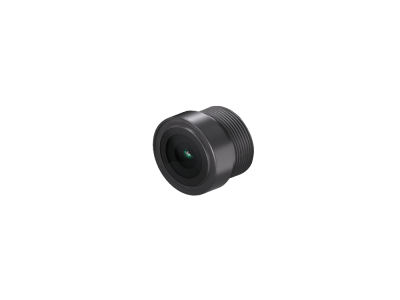
Walksnail Ascent HD Lite+ Camera Lens
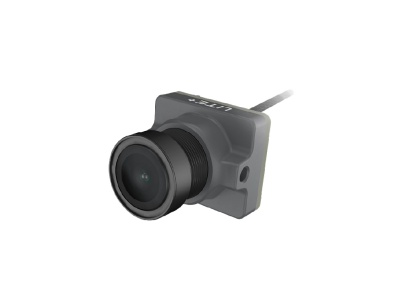
Walksnail Ascent HD Lite+ Camera
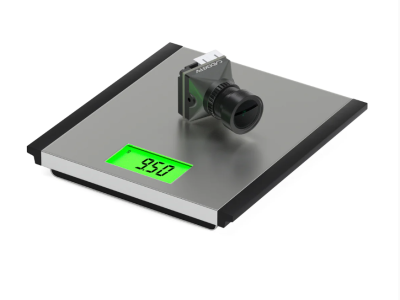
Caddx RATEL PRO 1500TVL Night Vision FPV Camera
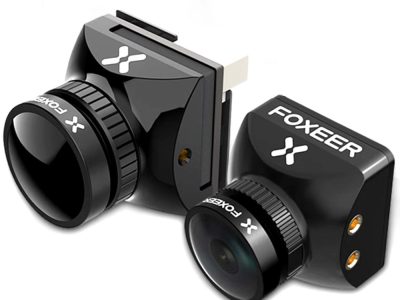
Foxeer Cat 3 Micro/Mini 19mm/22mm 1200TVL 4:3/16:9 PAL/NTSC Switchable FPV Camera Low Latency Low Noise FPV Camera for RC FPV
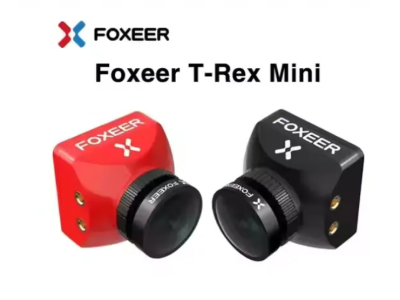
Foxeer T-Rex Mini 1500TVL Super WDR FPV Camera 4:3/16:9 Switchable PAL/NTSC Low Latency 22*22mm Superb For Drone Accessories