FPV Controller
An FPV controller (radio transmitter) is the link between your thumbs and the aircraft. It sends stick, switch and dial positions to a receiver on the drone, which feeds them to the flight controller as roll, pitch, yaw, throttle and mode commands. Choosing one comes down to three things: the radio protocol, the gimbal quality, and the firmware it runs.
Radio protocols: ELRS, Crossfire and legacy systems
ExpressLRS (ELRS) is the current default for most pilots. It runs on 2.4 GHz or 915/868 MHz, delivers very low latency, supports packet rates up to 1000 Hz, and works with low-cost hardware from RadioMaster, Happymodel and BetaFPV. 2.4 GHz suits most flying; 915 MHz (868 MHz in Europe) gives better range and penetration for long-range and mountain surfing, at the cost of lower packet rates and bigger antennas.
TBS Crossfire and Tracer remain popular for long-range work where telemetry maturity and link robustness matter more than price. Older FrSky ACCST / ACCESS and FlySky AFHDS systems are still widely supported, but new builds rarely start there.
What actually affects feel: gimbals and firmware
Gimbals matter more than RF specs for most pilots. Hall-effect (magnetic) gimbals do not wear out and stay consistent over years, while potentiometer gimbals are cheaper but develop centering drift. Look for stick resolution, adjustable tension and throttle ratchet options.
On the firmware side, EdgeTX and OpenTX give you model memories, mixers, logical switches and Lua scripts. Most modern radios in this category ship with EdgeTX or support flashing it. Check that the radio you buy has the switch count you need: a four-position switch per flight mode is common on 5-inch builds, and a momentary switch is handy for turtle mode or beeper.
How to choose for your aircraft
- Tiny whoops and indoor: a compact module-bay radio with ELRS at 25–100 mW is enough.
- 5-inch freestyle: full-size radio with Hall gimbals, ELRS 2.4 GHz, 250–500 mW dynamic power.
- Long range: ELRS 915/868 MHz or Crossfire, high-gain antenna, telemetry and GPS rescue configured on the aircraft.
- Industrial and OEM builds: match transmitter and receiver protocol at the design stage, and plan antenna placement away from carbon and power wiring.
CSKYUAV supplies FPV controllers and matching receivers from RadioMaster, TBS, EMAX and other brands, with OEM/ODM options for bulk programmes. Pair your transmitter with the right receiver from our FPV receiver range, or browse complete FPV drones if you want a matched aircraft.
Frequently Asked Questions
What is the difference between a transmitter and a receiver in FPV?
The transmitter (controller) is the handheld radio you hold, sending stick and switch positions. The receiver is the small board on the drone that receives those commands and passes them to the flight controller as a serial protocol such as CRSF or SBUS.
Is ExpressLRS better than Crossfire?
ExpressLRS offers lower latency, higher packet rates and much cheaper hardware, and is the default choice for most new builds. Crossfire still has an edge in long-range link robustness and mature telemetry tooling, and remains common on professional long-range aircraft.
Do I need 2.4 GHz or 915 MHz ELRS?
Use 2.4 GHz for general flying, freestyle and racing where high packet rates help. Use 915 MHz (868 MHz in the EU) for long range and flying behind obstacles, where range and penetration matter more than update rate.
What does KV or mW mean on a controller page?
mW refers to RF output power of the radio link, not video. Higher output extends control range but drains battery faster and is subject to local regulations, so use dynamic power where available.
Can I mix brands between transmitter and receiver?
Yes, provided both sides run the same protocol and firmware generation. An ELRS transmitter works with any ELRS receiver running a compatible major firmware version; mixing ELRS and Crossfire will not bind.
Are Hall sensor gimbals worth the extra cost?
For pilots flying regularly, yes. Hall-effect gimbals do not wear mechanically, so centering and stick feel stay stable over years instead of drifting like potentiometers.
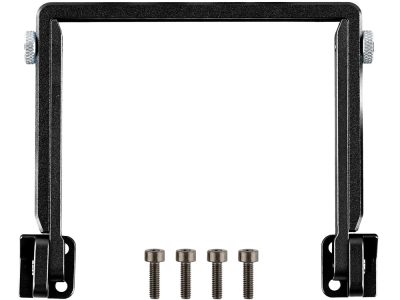
Boxer Adjustable Length CNC Metal Folding Stand / Handle
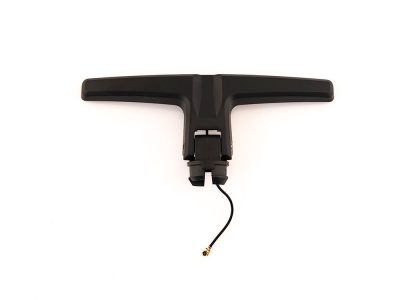
Pocket Replacement Antenna Assembly
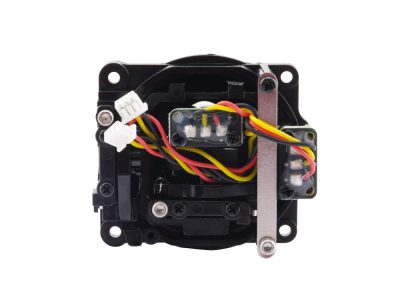
X5 Replacement Gimbals for Pocket and AX12
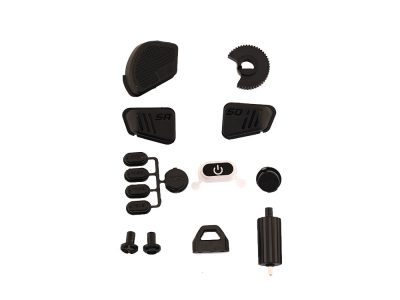
Pocket Button Set
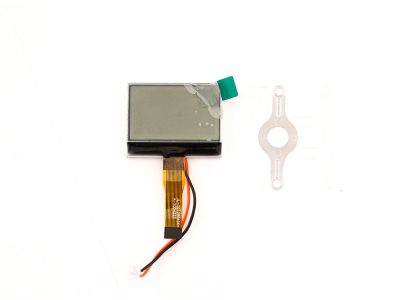
Pocket LCD Screen
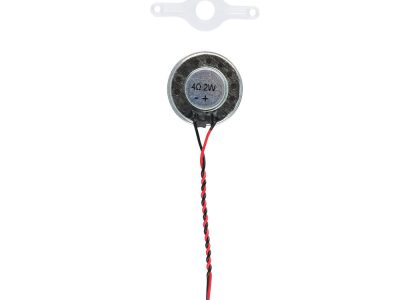
Pocket Speaker Components
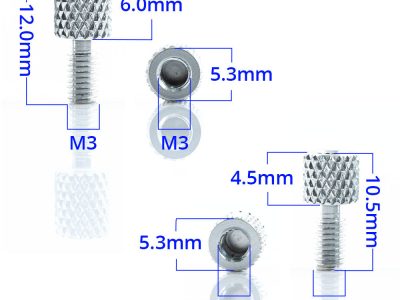
Pocket Gimbal Stick Extender set
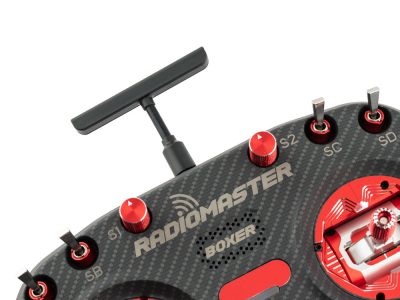
Boxer Max Radio Controller (M2)
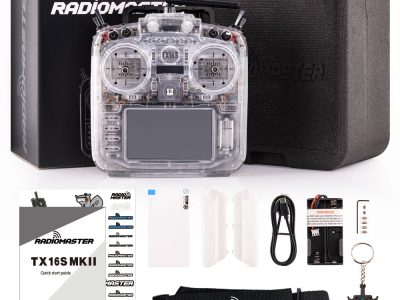
TX16S MKII Radio Transparent Version (MCK Edition / ELRS / M2)
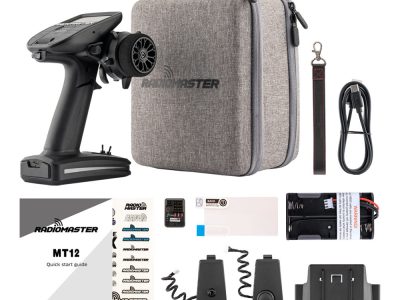
MT12 Surface Radio Controller