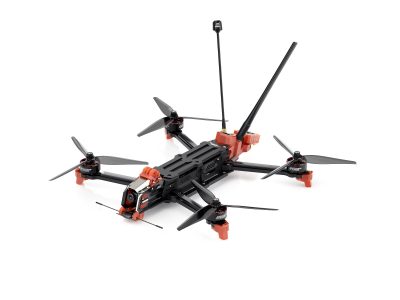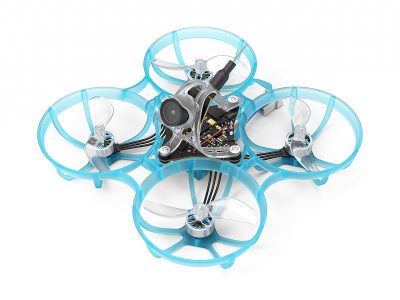
FPV Drones
An FPV drone is an aircraft built to fly by the live video feed from an onboard camera rather than by line of sight. In this category you will find everything from sub-250 g indoor whoops to 7 inch long-range and cinewhoop platforms, sold as ready-to-fly (RTF), bind-and-fly (BNF) or plug-and-play (PNF) packages.
Choosing by size class
- Tiny whoop (65–75 mm): ducted, safe indoors, 1S–2S, great for learning stick control.
- 2–3 inch: lightweight toothpick and cinewhoop builds for parks and tight spaces.
- 5 inch: the freestyle and racing workhorse, 4S–6S, the widest parts ecosystem.
- 7 inch and above: long-range and endurance platforms with GPS and larger batteries.
- Cinelifter: larger, ducted platforms designed to carry an action camera safely.
Analog or digital video
Analog systems send composite video on 5.8 GHz: cheap, light, low latency, and forgiving at the edge of range. Digital systems such as Walksnail Avatar and DJI transmit a compressed HD feed with a much cleaner image and better penetration for a given power level, at the cost of weight, price and slightly higher latency. Your choice also determines which goggles and camera ecosystem you buy into.
What to check before ordering
Match the receiver protocol to your radio (ELRS, Crossfire, or a specific brand protocol), confirm the battery connector and cell count you already own, and check whether the aircraft is supplied with a receiver at all — many PNF airframes are not. For commercial programmes, ask about spare parts availability, consistent component sourcing between batches, and whether the airframe can be delivered with your own branding and flight-tuned configuration.
CSKYUAV supplies FPV drones from EMAX, GEPRC, HGLRC and DJI alongside full OEM/ODM support. If you are building rather than buying, start from a frame kit, then select motors, ESCs and a flight controller that match your target weight and voltage.
Frequently Asked Questions
What is the difference between RTF, BNF and PNF?
RTF (ready-to-fly) includes a radio and often goggles. BNF (bind-and-fly) includes a receiver, so you bind your own radio. PNF (plug-and-play) usually ships without a receiver, so you install and configure the one you prefer.
Which FPV drone is best for beginners?
A ducted tiny whoop with propeller guards and a low rate profile is the safest place to start indoors. Move to a 3 inch or 5 inch build once you can hover and control altitude confidently.
How long do FPV drones fly on a battery?
Typical freestyle flight times are 3–6 minutes; efficient long-range setups on large packs can reach 15 minutes or more. Flight time depends on weight, propeller choice, throttle discipline and battery condition.
Do I need a licence to fly an FPV drone?
Requirements vary by country and by weight class, and many regions require registration, a remote ID broadcast or a spotter for beyond-visual-line-of-sight flight. Always check your local aviation authority rules before flying.
Can I fly FPV without goggles?
Yes, you can use an FPV monitor or a phone-based receiver, but goggles give better immersion, light isolation and typically better antenna placement for range.
What does sub-250 g mean?
It is the all-up weight including battery. Staying under 250 g puts the aircraft in the lightest regulatory category in many regions, which usually means simpler registration and operating rules.
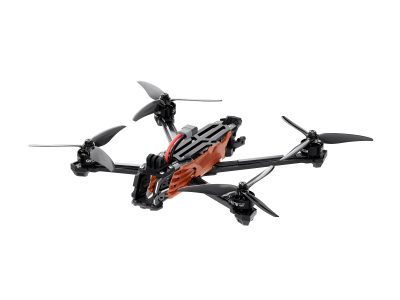
GEPRC Vapor-D6 O4 Pro WTFPV Drone
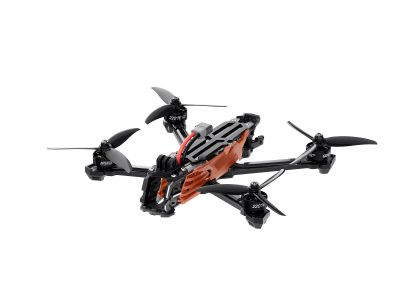
GEPRC Vapor-D5 O4 Pro WTFPV Drone
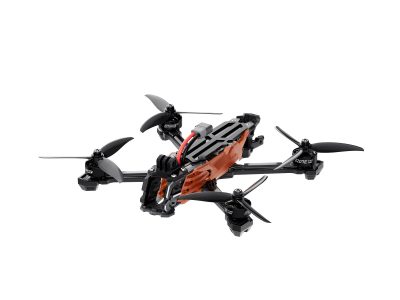
GEPRC Vapor-X5 O4 Pro WTFPV Drone
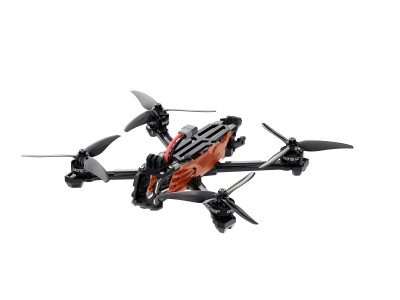
GEPRC Vapor-X6 O4 Pro WTFPV Drone
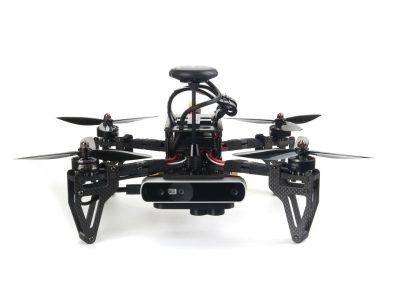
PX4 Vision v1
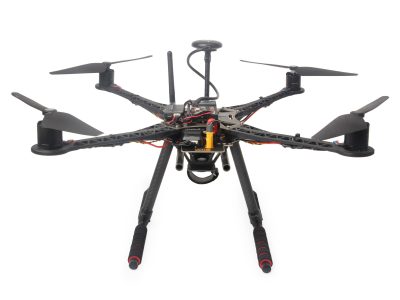
S500 V2 Development Kit
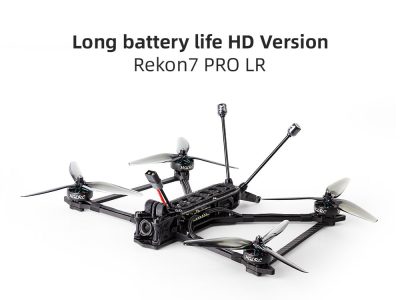
Rekon7 PRO Long Range FPV Analog / Digital Version Racing Drone
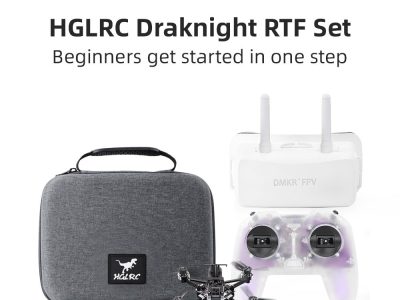
HGLRC Draknight 2-inch Entry-level RTF Set
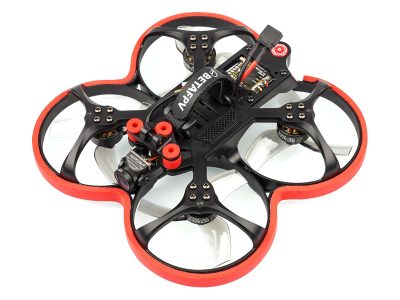
Beta95X V3 Whoop Quadcopter
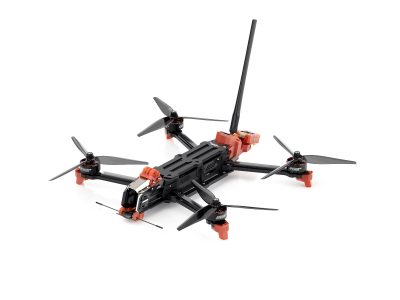
GEPRC MOZ7 V2 WTFPV Long Range FPV Drone