FPV VTX/VRX
The video transmitter (VTX) takes the camera signal, modulates it onto an RF carrier and radiates it through the antenna; the video receiver (VRX) in your goggles or ground station does the reverse. Getting this pair right determines how far and how cleanly you see.
Power levels and what they mean
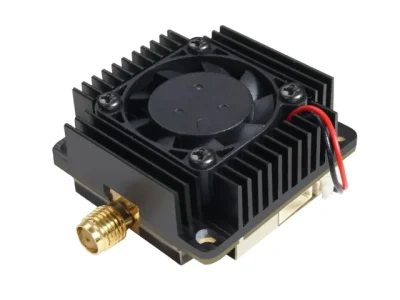
Analog 5.8 GHz VTXs are commonly available at 25 mW, 200 mW, 500 mW and 1 W and above. Higher power extends range but increases heat and current draw, and in most regions output power is regulated — many pilots use 25 mW for close-in flying and switch up only when needed. Digital systems such as Walksnail Avatar use different modulation and power classes, so compare them on measured range and latency rather than on milliwatts alone.
Frequency, channels and antenna connectors
Analog video sits in the 5.8 GHz ISM band with channel groups (A, B, E, F, R) and race band. Everyone on the same channel interferes, so groups use channel management and rapid channel switching at race events. Check the antenna connector on both the VTX and your goggles: U.FL and MMCX are common on small VTXs, SMA and RP-SMA on larger units and ground gear.
Analog versus digital
Analog gives the lowest latency, the lightest hardware and graceful degradation at the edge of range. Digital delivers a near-HD image, better resistance to multipath and easier recording, but adds weight, cost and a small latency penalty. Your VTX choice locks you into a goggle ecosystem, so decide before you buy goggles.
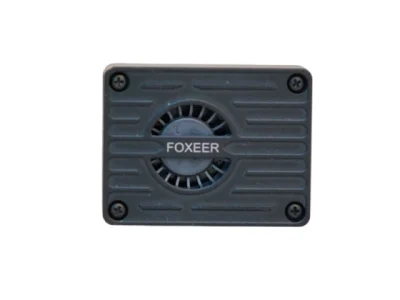
CSKYUAV supplies analog and digital VTX/VRX hardware from Walksnail, EMAX, AKK, Foxeer and others, with bulk and OEM supply. Pair your VTX with a properly polarised antenna from our FPV antenna range and a matched FPV camera; both matter more than raw transmit power.
Frequently Asked Questions
How much VTX power do I need?
For flying close to yourself, 25 mW is usually enough and keeps heat down. Move to 200–500 mW for park flying and around 1 W only for open long-range flights where local regulations permit it.
Why does my video get noisy when I punch out?
Voltage sag under throttle can brown out the VTX, and unfiltered motor noise can couple into the video line. Use a properly rated filtered supply or BEC, and keep video wiring away from motor and battery leads.
Do I need a licence to transmit on 5.8 GHz?
In most countries 5.8 GHz video is licence-exempt but power-limited, and flying FPV may still require a spotter or specific operating rules. Check your national regulations for both the transmission and the flight itself.
What is the difference between U.FL, MMCX and SMA?
They are antenna connector types. U.FL is tiny and fragile, MMCX is a more robust small snap connector, and SMA/RP-SMA is the larger threaded connector used on most ground equipment.
Can I use a digital VTX with analog goggles?
No. Digital systems require a compatible digital receiver or goggles; the modulation is not compatible with analog receivers.
Why does my VTX overheat on the bench?
Video transmitters rely on airflow. Never power a VTX at full output without prop wash or a fan, and check that the antenna is connected before powering up.
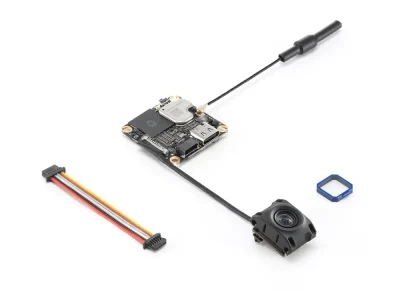
Original O4/O4 PRO AIR UNIT Digital Video Transmission New High Definition 4K 60fps/120fps in STOCK 04
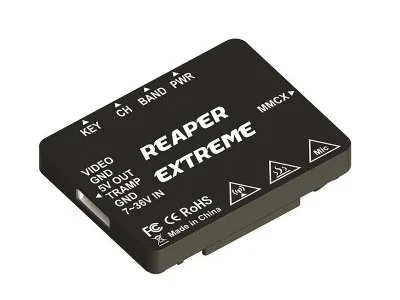
Foxeer 5.8G Reaper Extreme 2.5W 72CH VTX Video Transmitter FPV Freestyle Racing Drone Accessories Fpv Drone Vtx
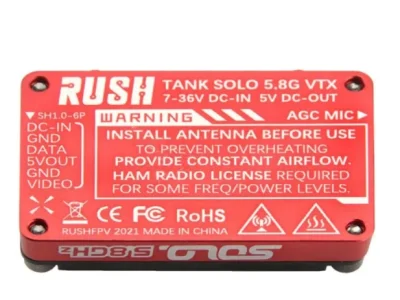
Rush Tank Solo 5.8G 1.6W 2 VTX FPV Transmitter CNC Shell Long Range for RC Drone MultiRotor FPV Drone Fpv Drone Vtx
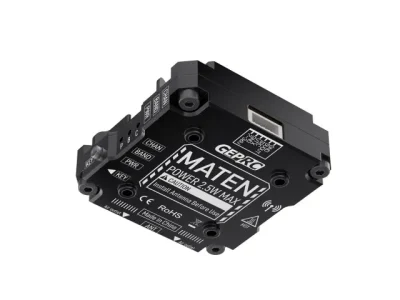
GEPRC MATEN 5.8G 2.5W VTX PRO video transmission Fpv Drone
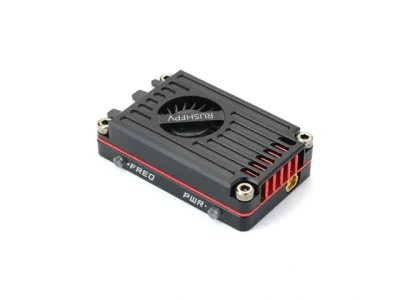
RUSH MAX SOLO 5.8G VTX 2.5W High-power CNC Housing Inner Fan FPV Fixed-wing Long-distance Drones Fpv Drone Vtx
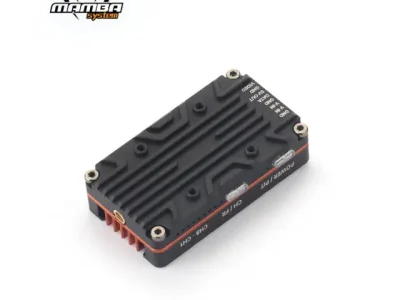
MAMBA 5.8G 2.5W Pro Dual Core Video Transmitter 2.5W High-power CNC Housing Inner Fan FPV Fixed-wing Long-distance
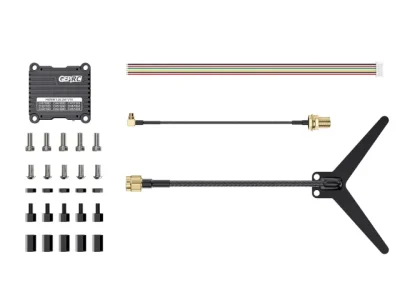
GEPRC MATEN 1.2G 2W VTX for FPV Racing Drone Video Transmitter M3 Drones Accessories Fpv Drone Vt