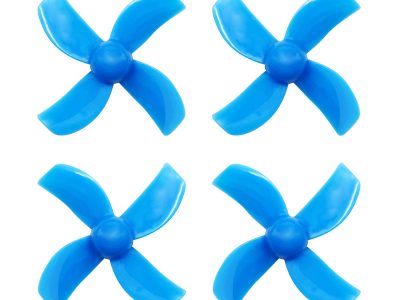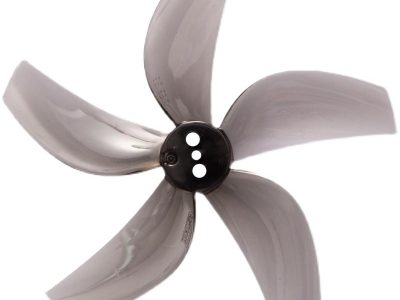
FPV Propeller
Propellers turn motor torque into thrust, and they influence handling more than almost any other component on the aircraft. A prop code such as 5×4.3×3 reads as diameter × pitch × blade count: 5 inch diameter, 4.3 inch pitch, three blades. Choosing the right combination comes down to frame clearance, motor KV and the feel you want.
Diameter, pitch and blade count
Diameter is limited by your frame: a 5 inch frame accepts 5 inch props, with a little margin for 5.1 inch on some designs. Bigger diameter moves more air at lower rpm, which usually means more efficient hovering and more grip. Pitch is the theoretical distance the prop advances per revolution: higher pitch gives more top speed and more current draw, lower pitch spools up faster and feels smoother for freestyle.
- Two blades: most efficient, lightest, classic freestyle feel.
- Three blades: more grip and mid-range punch, slightly higher current.
- Four and five blades: used on whoops and cinewhoops where diameter is limited and smooth, quiet thrust matters.
Material and mounting
Polycarbonate (PC) props are the standard for freestyle because they flex and survive crashes. Glass-filled nylon is stiffer and common on durable or cinewhoop props. Carbon fibre props are very stiff and efficient but brittle, and they are hard on anything they hit. Check the hub: traditional 5 mm bore props tighten onto the motor shaft with a nut, while T-mount props use two small screws on a 1.5 mm shaft pattern popular on whoops and lightweight builds.
Direction, balance and safety
Every quad needs two clockwise and two counter-clockwise props on diagonal arms; the flight controller expects that layout. Inspect props after every hard crash — a bent blade or a cracked hub causes vibration that the gyro and the video will both show. Replace props in sets rather than singly, because mixing worn and new props unbalances thrust.
CSKYUAV stocks propellers from EMAX, GEPRC and Caddx in bulk packs, and supports OEM colours, packaging and branding. Match your props to the motors and frame clearance, and confirm your ESC rating covers the extra current that aggressive pitch demands.
Frequently Asked Questions
What does 5x4.3x3 mean on a propeller?
Diameter (5 inch), pitch (4.3 inch) and blade count (3). The first number must fit your frame, the second controls speed versus current, and the third affects grip and noise.
Which prop should I use for freestyle?
A three-blade 5 inch prop in the 4.3–4.9 inch pitch range is a common starting point on 6S. Lower pitch gives smoother throttle response; higher pitch gives more top speed and higher current.
Do more blades give more thrust?
They give more grip at a given diameter rather than raw efficiency. More blades increase current draw and reduce flight time slightly, which is why two-blade props remain popular for endurance.
What is T-mount?
A prop mounting standard using two small screws on a 1.5 mm motor shaft instead of a 5 mm threaded shaft and nut. It is common on tiny whoops and lightweight builds.
How do I know which direction a prop spins?
Props are marked CW or CCW, and often shaped differently. Fit clockwise and counter-clockwise props on diagonal arms and verify with the motor direction test in your configurator before flying.
When should I replace propellers?
Replace after any visible bend, crack, tip damage or hub damage, or when you notice new vibration in the video feed. Damaged props stress motors and ESCs and degrade flight performance.
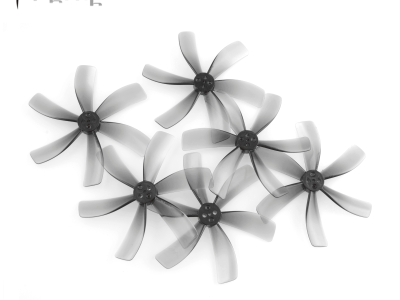
HQprop T63 1.5mm 6-Blade Propeller
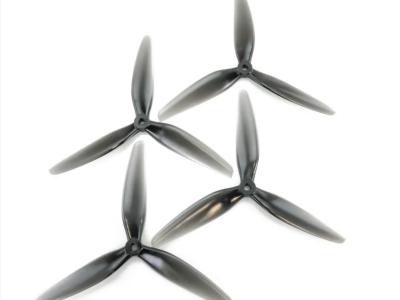
HQProp DP7X4X3 Light Grey (2CW+2CCW)-Poly Carbonate
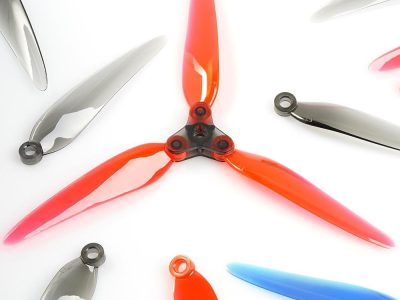
Dalprop Fold Series F7 7 Inch Folding Propeller Smooth DIY Props Long Range Compatible POPO for FPV Racing RC Drone(5 pairs)
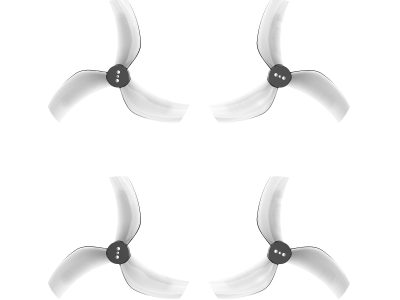
GemFan D90S 3-Blade Propellers (1.5mm Shaft)
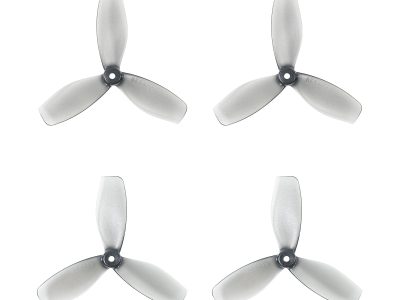
Beta-45mm 3-Blade Propellers (1.5mm Shaft 4PCS)
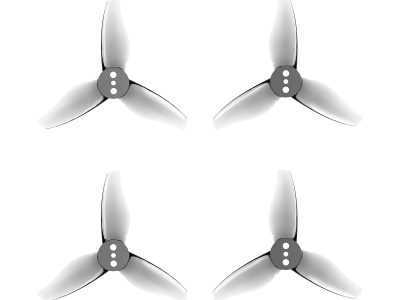
Gemfan 2023 3-blade Propellers (1.5mm Shaft 4PCS)
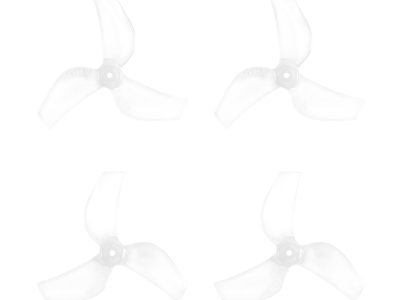
Gemfan 1219S 3-Blade Propellers (1.0mm Shaft)
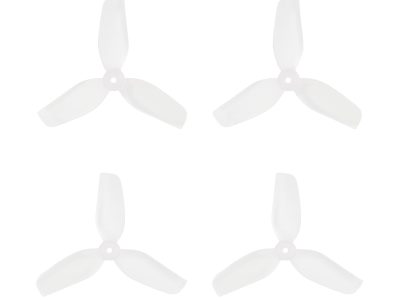
HQ 31mm Ultralight 3-Blade Propellers (1.0mm Shaft)
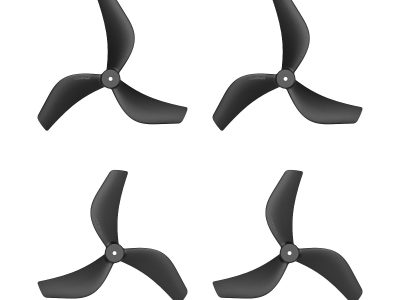
Gemfan 2218 3-Blade Propellers (1.5mm Shaft)
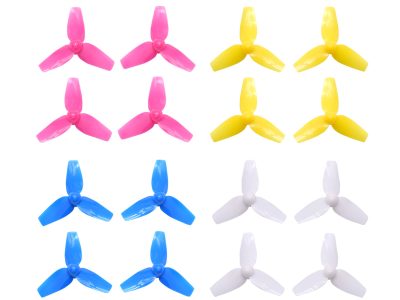
40mm 3-blade Micro Whoop Propellers (1.0mm shaft 4 Sets)