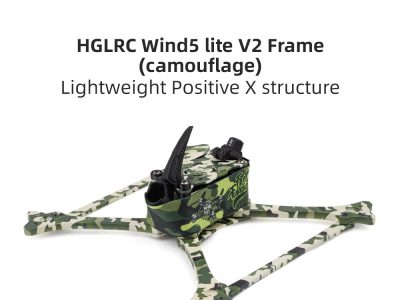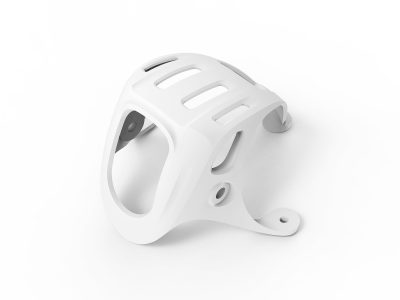
FPV Frame Kits
The frame is the structural backbone of an FPV drone: it sets the propeller size you can run, the motor mount pattern, the stack mounting standard and how much of a crash the aircraft survives. Choose it first, then size motors, props and battery around it.
Size classes and propeller clearance
Frames are named after the largest propeller they accept. A 5 inch frame means roughly 5 inch propellers; a 3 inch frame suits 3 inch props. Check the manufacturer's maximum prop size, because clearance between the prop tip and the camera or canopy decides whether you get prop wash in the video or a clean image.
- 2–3 inch: lightweight, low inertia, good for tight spaces.
- 5 inch: the freestyle and racing standard with the widest parts support.
- 7 inch: long-range and endurance platforms.
- Cinewhoop: ducted frames that safely carry action cameras indoors and around people.
Geometry: true-X, squashed-X, deadcat and H
True-X places four arms symmetrically for predictable handling. Squashed-X shortens the frame front-to-back to keep props out of the camera view. Deadcat moves the front arms outward and forward for the same reason, at the cost of slightly asymmetric handling. H frames put the props further apart for cleaner airflow on heavy-lift builds.
Materials, thickness and hardware
Look for 3K or T700 carbon fibre plates with chamfered edges; arm thickness in the 4–6 mm range is typical for 5 inch builds and should scale up with prop size. Check the stack mounting pattern (30.5×30.5 mm or 20×20 mm), motor mount pattern (16×16 mm or 19×19 mm), and whether the kit includes TPU camera mounts, antenna mounts, a battery strap and M3 hardware.
CSKYUAV supplies frame kits from HGLRC, EMAX, SpeedyBee, iFlight and Foxeer, plus OEM frame programmes with custom geometry and branding. Complete your build with matched motors, ESCs and a flight controller that fits the stack pattern.
Frequently Asked Questions
What size frame should a beginner buy?
A 5 inch frame is the most practical starting point because parts are cheapest and best documented. If you plan to fly mostly indoors, start with a ducted whoop frame instead.
What is the difference between true-X and deadcat?
True-X is fully symmetrical and handles predictably in both directions. Deadcat shifts the front arms forward and outward to keep propellers out of the camera view, which helps video quality but changes handling slightly.
Do I need a 30.5 mm or 20 mm stack?
30.5×30.5 mm is the standard for 5 inch and larger builds and offers the widest choice; 20×20 mm suits lightweight 2–3 inch builds. Match the frame mounting holes to the stack you intend to buy.
How thick should the arms be?
For 5 inch freestyle frames, 4–5 mm arms are common; larger props and heavier payloads need thicker or wider arms. Thicker arms resist cracking in crashes but add weight.
Are ducts worth using?
Ducts add weight and slightly reduce efficiency, but they protect people and property, reduce prop damage and let you fly in tighter spaces — worth it for indoor and cinewhoop work.
Can I mix frame and motor brands?
Yes, as long as the motor mount hole pattern and screw size match the arm, and the propeller size fits within the frame clearance.
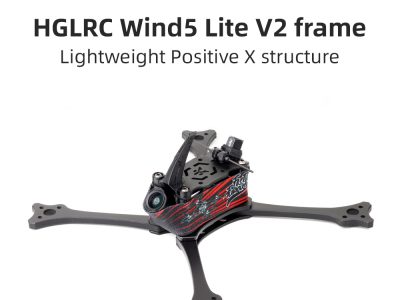
HGLRC Wind5 Lite V2 Frame Kit for racing
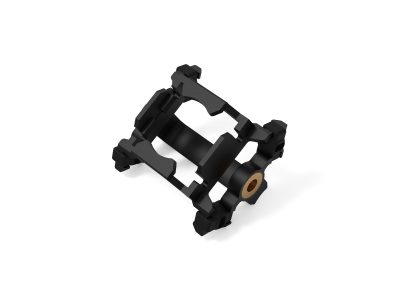
Shock-absorbing Components for O4 Air Unit
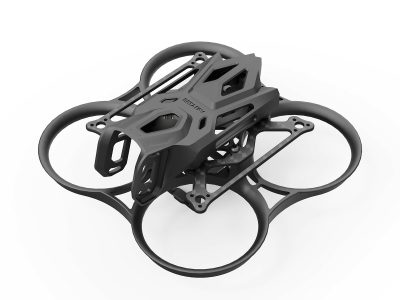
Pavo Femto Brushless Whoop Frame
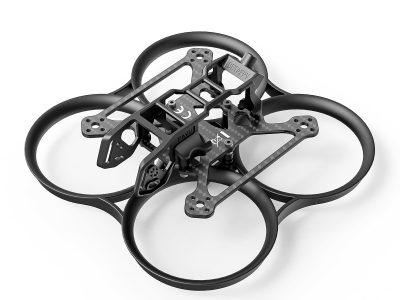
Pavo20 Pro Brushless Whoop Frame
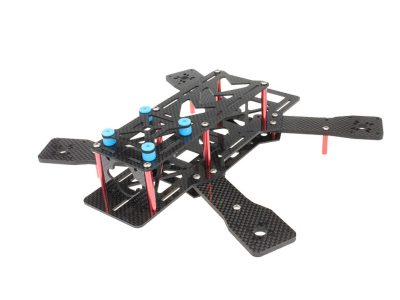
★Nighthawk 250 II All Carbon Fiber Quadcopter Aircraft Frame
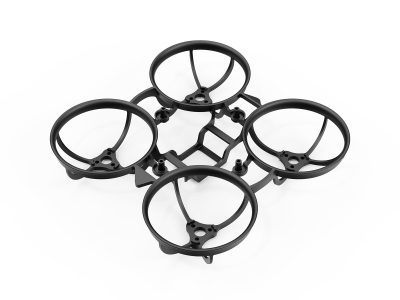
Air65 II Brushless Whoop Frame
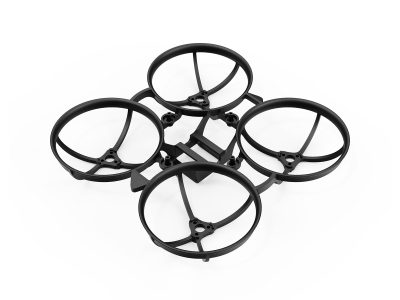
Air75 II Brushless Whoop Frame
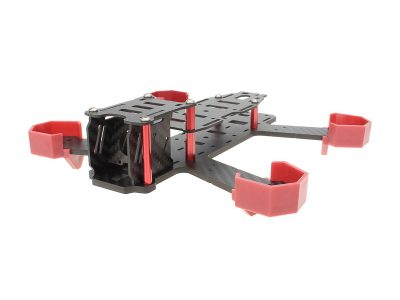
Nighthawk 200 All Carbon Fiber Quadcopter Aircraft Frame(3mm)
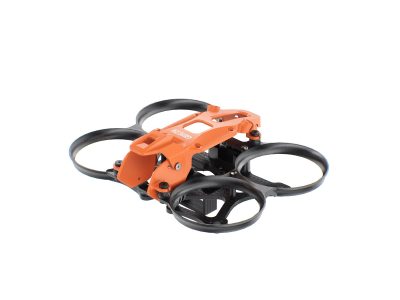
GEP-DS16 Frame
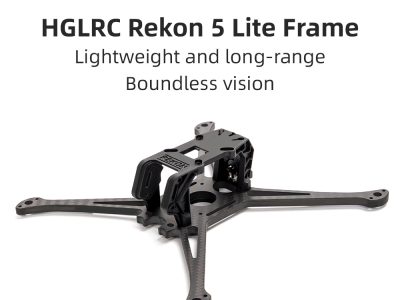
HGLRC Rekon 5 Lite Frame