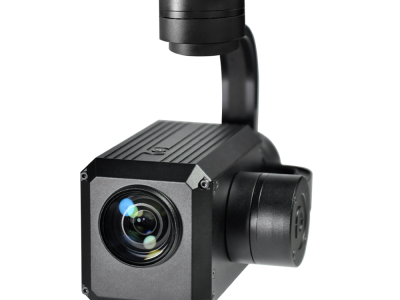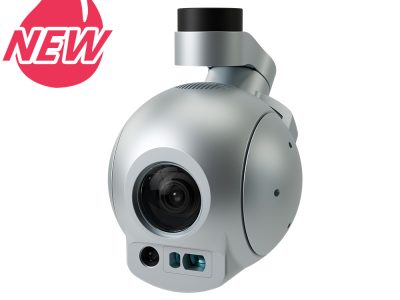
Gimbal Camera
Stabilized gimbal cameras are the working tool for aerial filming and inspection: they hold the horizon and the subject in frame while the aircraft maneuvers and fights the wind.
What stabilization gives
A three-axis gimbal cancels roll, pitch and yaw, so the picture stays smooth even during aggressive flight. That is the difference between footage you can show a client and material you must discard. For inspection, stabilization is no less important: the operator holds a detail in frame instead of chasing it in a jittering image.
What to compare
- Stabilization axes: three axes versus electronic cropping.
- Sensor and lens: resolution, aperture, zoom availability.
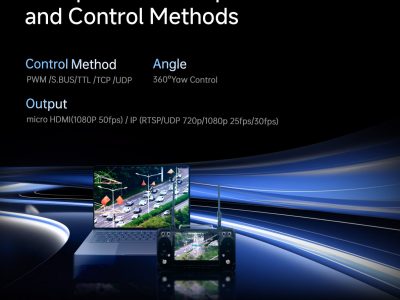
- Interfaces: video output and gimbal control protocol.
- Weight: within the aircraft's payload.
- Power: supported voltage and current draw.
CSKYUAV supplies gimbal cameras with OEM/ODM support. Compact options are in https://cskyuav.com/product-category/micro-gimbal-cameras/, aircraft in https://cskyuav.com/product-category/fpv-drones/.
Frequently asked questions
How many axes are enough?
For quality work, three. Electronic stabilization is cheaper and lighter but crops the frame.
Is optical zoom needed?
For inspection from a safe distance, yes. Digital zoom only stretches the image, losing detail.
Can the gimbal be controlled from the ground?
Yes, typically: tilt, pan and capture modes map to controller channels or a ground station.
Is the gimbal compatible with any aircraft?
No: check payload, power, interfaces and mount. Often an adapter for the specific frame is required.
Which to choose for night?
A camera with a bright aperture and sensitive sensor; if needed, a thermal core or IR illumination.
Does the gimbal affect flight time?
Yes: weight and constant stabilization draw shorten it, so plan battery margin.
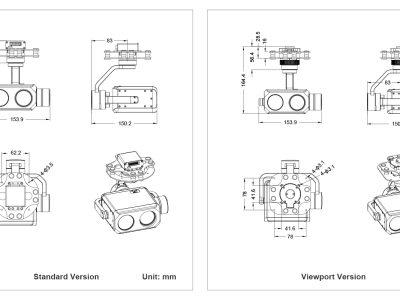
Z30TE
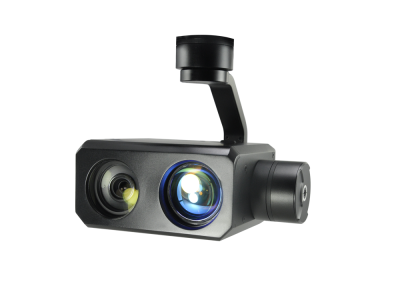
Z30TL
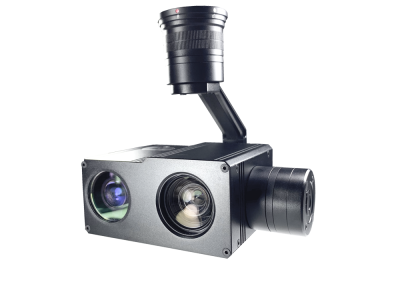
Z10TL
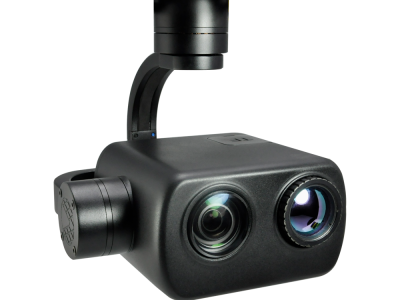
Z40TIR
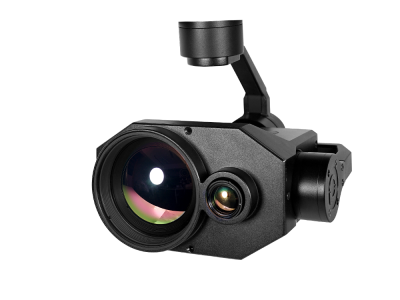
ZIR1352T
QIR1975T
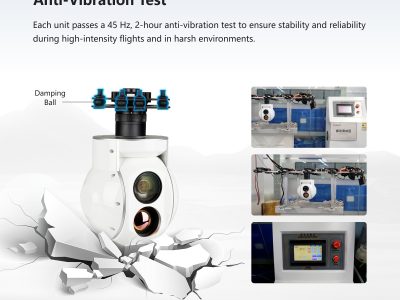
U30TIR-35
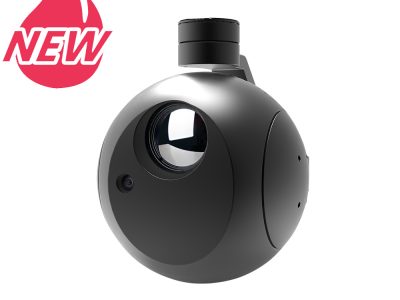
QIR25250T
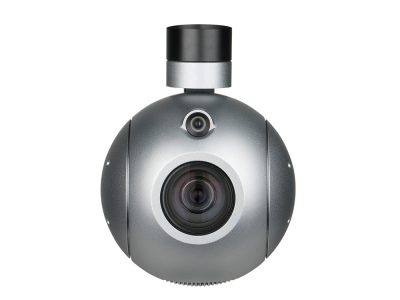
Q40T-Plus
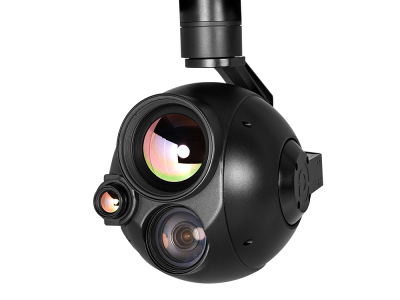
Q30TIR-1352